How to Build Muscle at Home: Training, Food and Gear
Published How we research
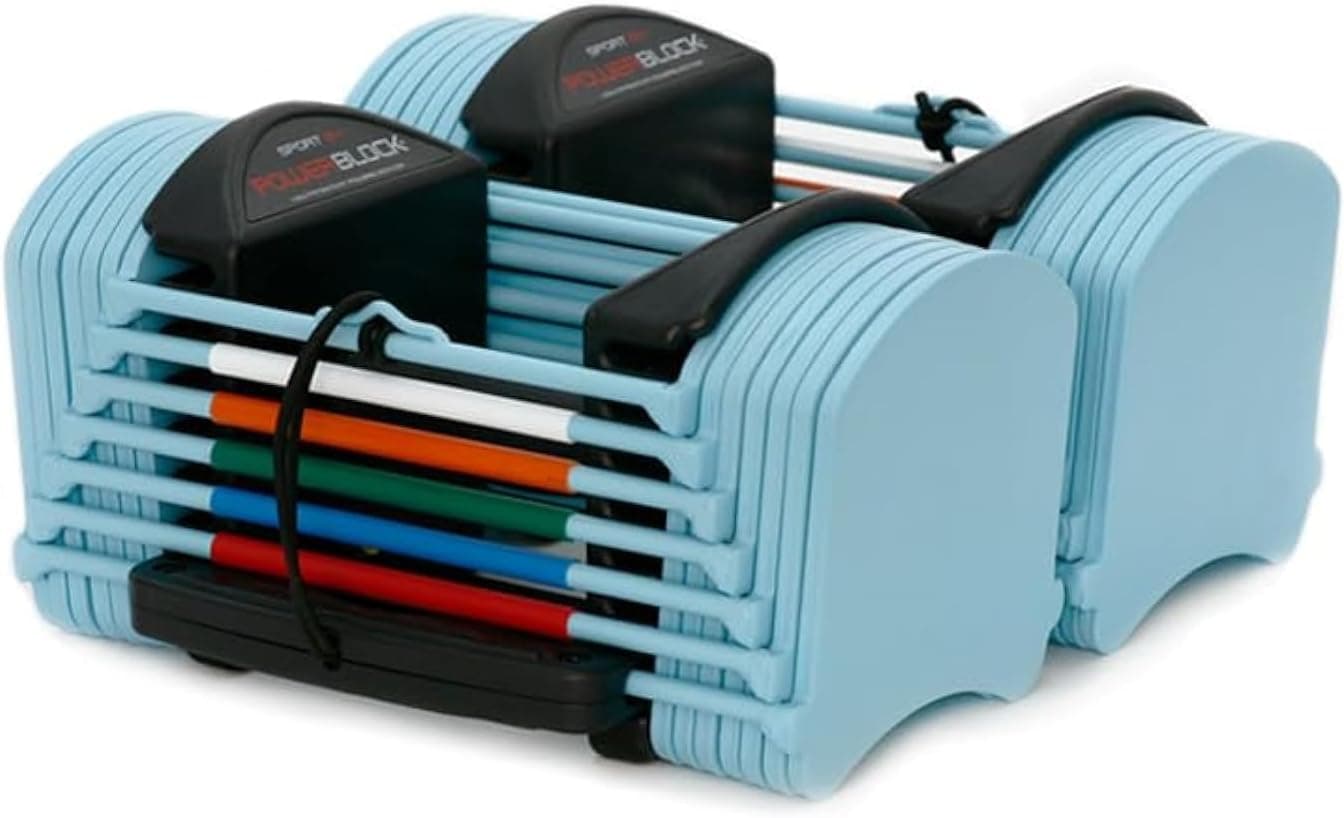
To build muscle at home, train each major muscle group two times a week with hard sets close to failure, add reps or weight over time, eat enough protein and calories, and sleep well. The equipment matters less than the progression, but you do need a way to make exercises harder as you get stronger. This guide covers each piece and the compact gear that supports it.
Products from this article
The highest-scoring picks from the buying guides this article links to. Scores are our editorial assessment, not customer ratings.
+ 5-25 lb per dumbbell across 5 dial settings suits warmups through moderate lifts
From our guide: Adjustable Dumbbells for Small Spaces
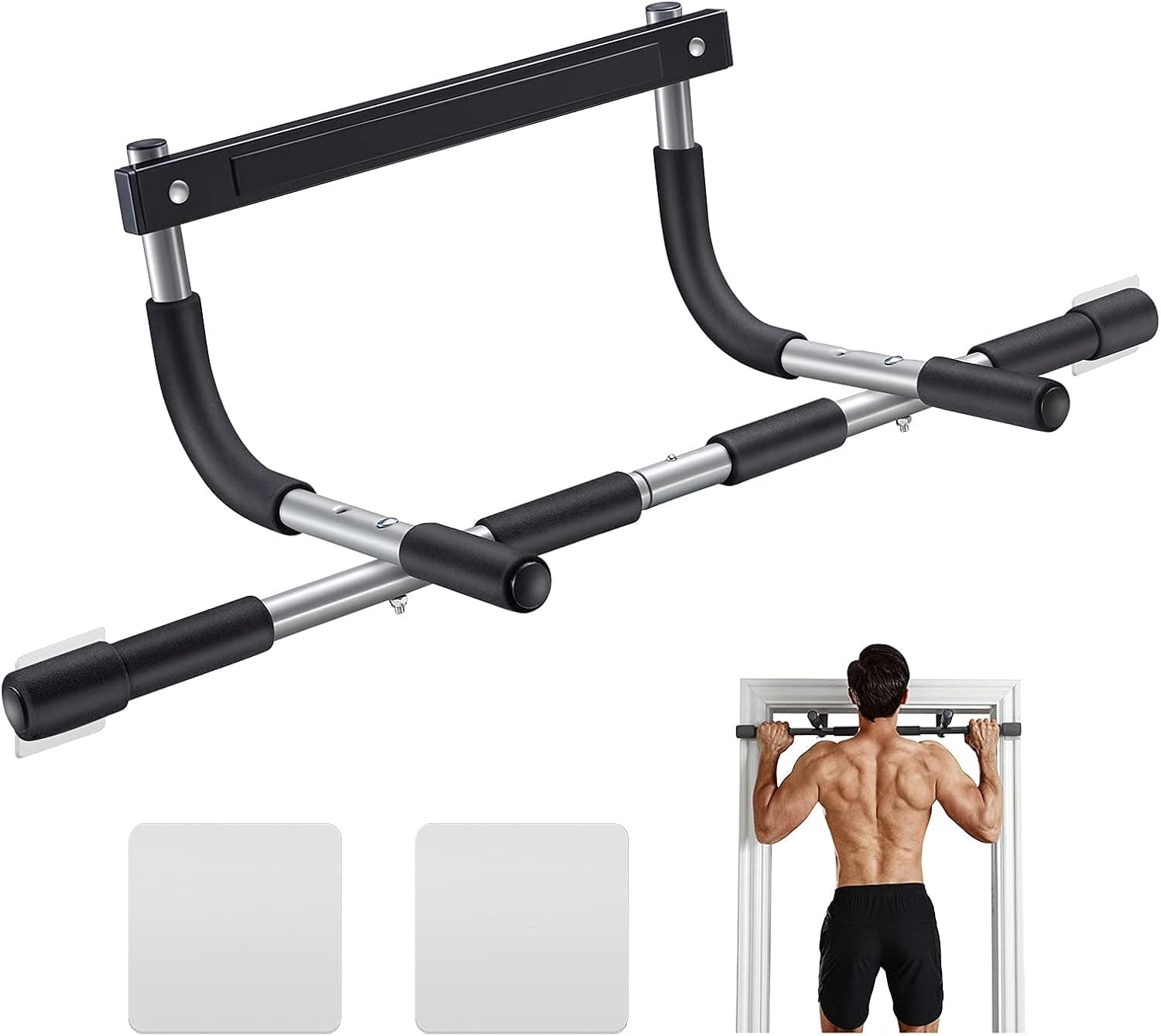
+ 440 lbs max limit gives confidence for heavier users
From our guide: Best Doorway Pull-Up Bars for Apartments (2026 Guide)
+ Door anchor lets you train full-body moves in any room
From our guide: Best Suspension Trainers for Apartments (2026 Guide)
+ Steel construction feels tougher than plastic-shelled dial dumbbells
From our guide: Adjustable Dumbbells for Small Spaces



What actually drives muscle growth
Muscle grows when you train it with enough effort, often enough, and then recover with adequate food and sleep. Effort means sets that finish within about one to three reps of the point where you could not do another good rep. Weight on the bar is only one way to reach that. A push-up variation done to near failure can work a chest much like a lighter press.
The practical rule is progressive overload: over weeks, do slightly more than before, whether that is one more rep, a heavier dumbbell, a slower lowering phase or a harder exercise variation.
Weekly volume and frequency
A widely used range for most muscle groups is roughly 10 to 20 hard sets per week, split over two or three sessions. Beginners often grow on the low end of that range, so more is not always better. Hitting each muscle twice a week works well in a small space because sessions can stay short.
An upper and lower split over four days, or a full-body plan over three, both fit this. Keep each session under about an hour, and leave at least one rest day between hard sessions for the same muscles.
Making bodyweight and light weights hard enough
Home training stalls when the load cannot go up. There are several ways around that. Slow down the lowering phase to three seconds. Add a pause at the bottom. Use harder leverage such as feet-elevated push-ups, single-leg squats and rows with a tilted body. Add external load with a weighted vest or a backpack.
Push-up handles or bars allow a deeper range of motion, and rings or parallettes open up dips, rows and holds. Rings and suspension trainers are cheap, and they hang from a door or beam.
Equipment that earns its floor space
If you can buy only one item, adjustable dumbbells give the most variety per square foot. A pull-up bar adds the vertical pull that is hard to replace, and a bench lets you press, row and do split squats with support. Loop bands help with assisted pull-ups and extra resistance on push-ups.
Add a weighted vest or heavier dumbbells later, when the starter weights stop challenging you. Fewer, better pieces usually beat a crowded corner.
Eating and sleeping for growth
Many people who lift to gain muscle aim for about 0.7 to 1 gram of protein per pound of body weight per day, spread over a few meals. That is a common practitioner range, not a rule for everyone, and people with medical conditions should follow their clinician's advice. Gaining muscle usually also needs a modest calorie surplus, or at least not a steep deficit.
Sleep seven to nine hours when you can. Poor sleep makes hard sets feel worse and recovery slower. Consistency across months matters far more than any single perfect week.
A four-week starter template
Week one and two: three full-body sessions, 3 sets of 10 to 12 on a squat pattern, a push, a pull, a hinge and a core exercise. Week three: raise the load or move to a harder variation on the exercises that felt easy. Week four: add one set to the main lifts, then reassess.
Track every set. When all sets hit the top of your rep range, make that exercise harder. Visible changes take months, so judge progress by the log in the first weeks.
Exercise choices by muscle group
For legs, use goblet squats, split squats, Romanian deadlifts and single-leg hip thrusts with a bench behind you. For the chest and shoulders, use push-up variations, dumbbell presses on a flat or incline bench and overhead presses. For the back, use pull-ups or chin-ups, one-arm dumbbell rows and band pull-aparts.
For arms, curls and triceps extensions get plenty of work indirectly from presses and pulls, so two or three direct sets each are usually enough. For the core, planks, dead bugs and hanging knee raises cover most needs. Pick one or two exercises per muscle group and rotate them every month or two rather than every session.
Training in a small apartment
Space and noise shape what you can do. Lower-impact exercises such as tempo squats, push-ups, rows and split squats need little room and make little sound. Skip jumping and dropped weights if you have neighbors below, and train on a dense mat or interlocking tiles to spread load and soften contact.
Store gear where you can reach it in under a minute. If setup takes ten minutes, sessions get skipped. A folding bench against a wall, dumbbells under a bed and a bar on a door frame can keep the full routine available without taking over the room.
Frequently asked questions
Can you build muscle at home without weights? Yes, for a while. Hard push-up, squat and row variations work, but you will need to find ways to increase the load as you get stronger.
How long does it take to see results? That varies widely with training history, food and sleep. Strength numbers tend to move before the mirror does, so track both.
Is training every day better? Not usually. Muscles grow during recovery, and most beginners do well with two to four sessions a week.
Do I need supplements? No. Whole food protein covers it for most people, and supplements are only an optional convenience for hitting your daily target.
Popular right now
- Best Landmine Attachments for Compact Gyms (2026 Guide)Buying guide
- A Full-Body Workout in Two Square FeetArticle
- Noise-Reducing Flooring for a Home GymArticle
- Best Mini Exercise BikesBuying guide
- Foldable Weight BenchesBuying guide
- Best Push-Up Bars for Small-Space Workouts (2026 Guide)Buying guide
Based on the last 28 days of search and visitor data.