Noise-Reducing Flooring for a Home Gym
As an Amazon Associate I earn from qualifying purchases.
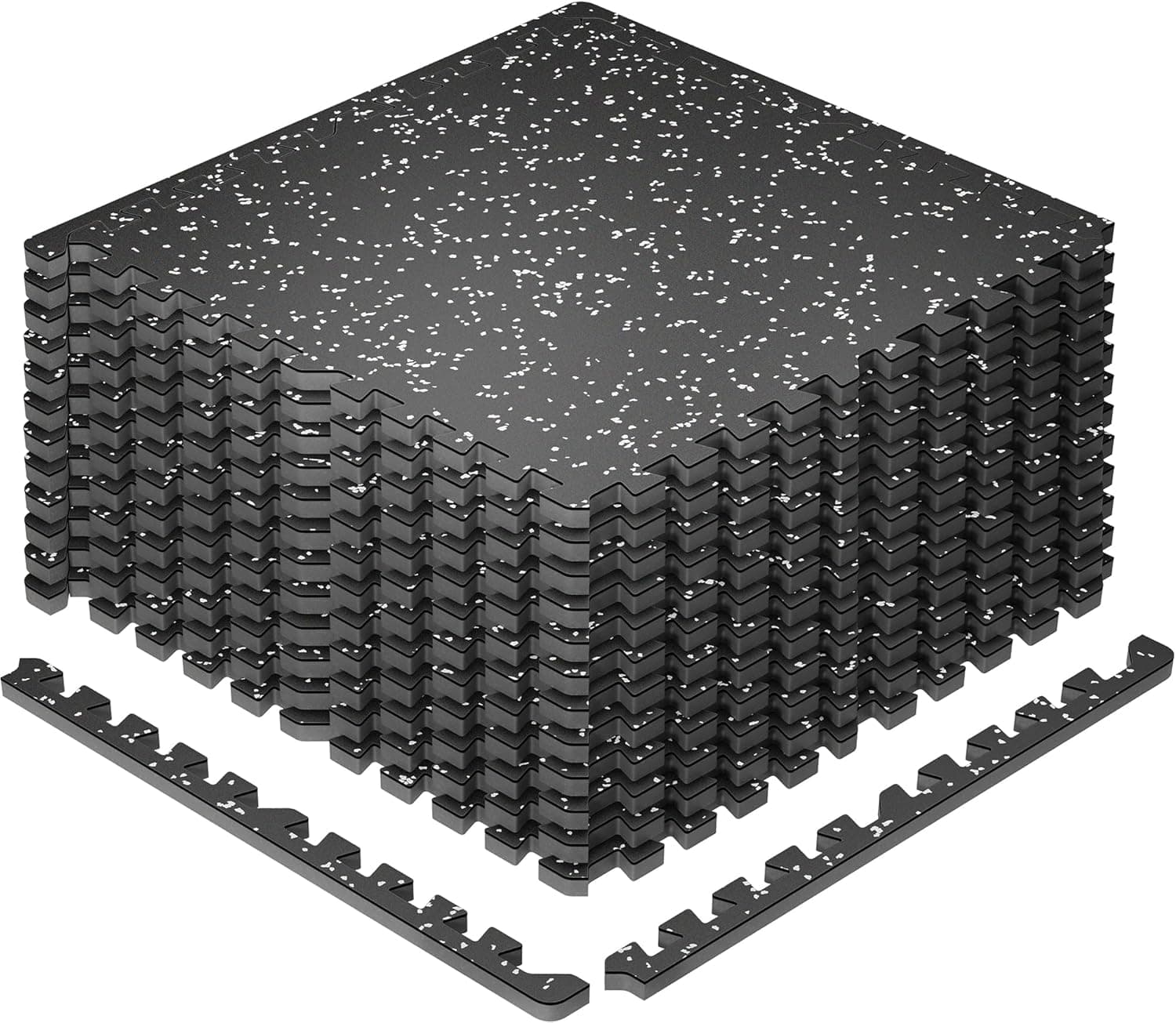
Home-gym noise is impact and vibration passing into the building structure through the floor, not airborne sound, so dense energy-absorbing flooring stops most of it. Lay a base layer of high-density EVA foam tiles across the whole training zone, add a second thicker, denser rubber layer exactly where weights land, and put anti-vibration pads under the feet of any treadmill, bike, or bench. Choose loose-laid, removable materials so a rental restores cleanly. In an apartment, flooring is your single most powerful tool for keeping the peace. The noise that travels to your neighbors is not really airborne sound; it is impact and vibration passing directly into the structure of the building through the floor. The right flooring interrupts that path, soaking up the energy of a footfall or a lowered weight before it can travel. Getting the flooring right solves most noise problems before they start.
Airborne noise vs impact noise
To choose flooring well, understand the two kinds of noise you are fighting. Airborne noise, like music or voices, travels through the air, and flooring does little about it. Impact noise, like a dropped dumbbell or a jumping foot, travels as vibration through solid materials, and this is where flooring makes all the difference. Because gym noise is overwhelmingly impact noise, dense, energy-absorbing flooring is remarkably effective at protecting the apartment below.
Rubber: the top performer for impact
Rubber is the top performer for absorbing impact. Dense rubber mats or tiles have the mass and the damping properties to swallow the energy of a dropped or lowered weight and stop it from ringing through the floor. The thicker and denser the rubber, the more it absorbs, which is why serious lifting areas use thick rubber. The downsides are weight and a rubber smell when new, but for pure noise reduction under weights, nothing beats a good thick rubber layer.
High-density foam tiles: the lighter alternative
High-density foam tiles, usually made of EVA, are the popular lighter alternative. They interlock like puzzle pieces, cost less, weigh little, and provide excellent cushioning for bodyweight work and light dumbbell training. For very heavy drops they can compress fully and bottom out, but for the controlled, moderate-load training that suits an apartment they are quiet, comfortable, and easy to install and remove, which makes them ideal for renters.
Layer materials for the best result
The most effective approach for a home gym is to layer materials. A base layer of foam tiles across the whole training zone gives comfort and general sound dampening, and a second, denser layer of rubber in the exact spot where weights land handles the hardest impacts. This combination costs less than covering everything in thick rubber while still protecting the vulnerable impact zone. Layering different densities also breaks up vibration more effectively than a single uniform material.
Isolate the feet of your equipment
Do not overlook the feet of your equipment as a noise source. Cardio machines and benches transmit vibration through their small contact points straight into the floor, and a treadmill or bike can be surprisingly loud to a downstairs neighbor even without any dropping. Anti-vibration pads placed under each foot decouple the machine from the floor and dramatically cut the transmitted noise. It is a cheap fix that solves a problem many people do not realize they have.
Plan flooring as a system
When you plan your flooring, think of it as a system with a job to do rather than a surface to stand on. Cover your zone, add density where impacts land, isolate the feet of any machines, and choose materials you can lift and remove if you rent. Done properly, this system lets you train early or late without a second thought about who is below you. Good flooring is the quiet foundation, in every sense, of a home gym that keeps both you and your neighbors happy.
Frequently asked questions
What flooring is best for a home gym in an apartment? A layered system: high-density EVA foam tiles across the whole zone for comfort and general dampening, plus a thicker, denser rubber layer where weights actually land.
Does gym flooring actually reduce noise for neighbours? Yes, because gym noise is overwhelmingly impact and vibration travelling through the structure, and dense flooring absorbs that energy before it reaches the apartment below.
Are foam tiles enough, or do I need rubber? Foam tiles are fine for bodyweight work and light dumbbells but can bottom out under heavy drops. Add dense rubber in the impact zone if you drop weight.
Why is my treadmill loud downstairs even without dropping weight? Cardio machines transmit vibration through their small feet straight into the floor. Anti-vibration pads under each foot decouple the machine and cut the transmitted noise sharply.