A Full-Body Workout in Two Square Feet
As an Amazon Associate I earn from qualifying purchases.
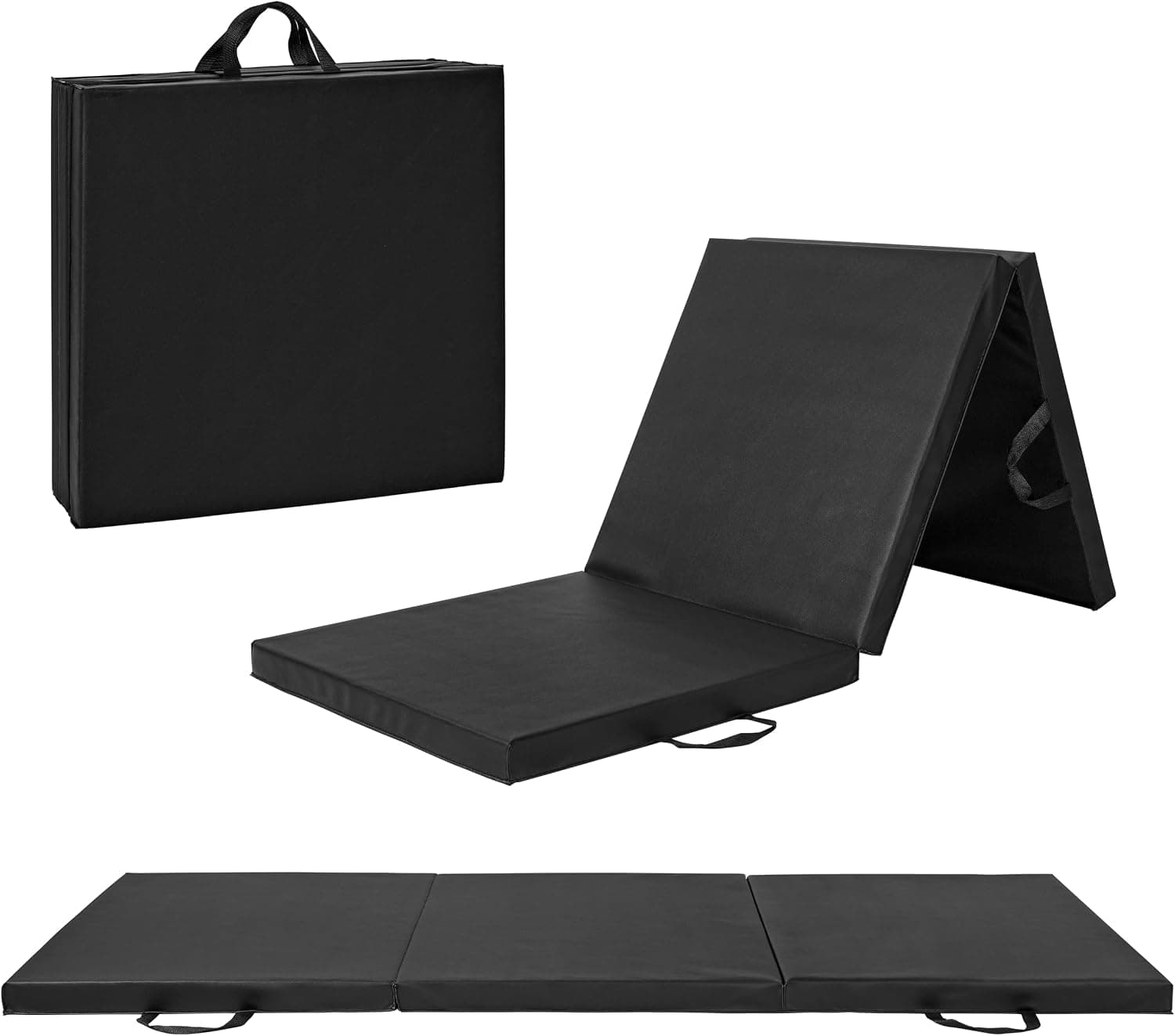
Two square feet, about the size of a bath towel, is enough to train your whole body, because most exercises move you up and down or hold you in place rather than across the room. Build a session from a squat, a push (push-ups), a hinge or bridge, a pull (banded rows), and a core hold (planks), two or three rounds each with controlled tempo. Progress by adding reps, slowing tempo, or increasing band and dumbbell resistance, not by needing more room. Two square feet is roughly the size of a bath towel, and it is genuinely enough space to train your entire body. The trick is choosing movements that build strength through range of motion and tension rather than through travel across the room. When you stop needing to move around and start needing to control your own body and a little resistance, the floor you require shrinks dramatically.
Most exercises happen where you already stand
The foundation of a tiny-footprint workout is the realization that most exercises move your body up and down or hold it in place, not across the room. A squat, a push-up, a plank, a lunge in place, and an overhead press all happen within the space you already occupy standing still. Once you build a routine from these vertical and stationary patterns, the size of your apartment stops being a limiting factor at all.
Start with the legs
Start with the legs, the largest muscles and the biggest driver of results. Bodyweight squats, reverse lunges stepping back into your own footprint, and single-leg glute bridges cover the major lower-body patterns without a single step forward. Add a pair of dumbbells or a resistance band and these movements scale from beginner to genuinely challenging. Slow the tempo down, pause at the hardest point, and you will find that bodyweight alone is harder than it looks.
Upper body: push-ups and banded pulls
For the upper body, push-ups and their variations handle pressing, while a resistance band anchored in a door handles pulling. Push-ups can be made easier with hands elevated on a sturdy surface or harder by slowing the descent and pausing at the bottom. Banded rows and pull-aparts balance all that pushing so your shoulders stay healthy. Between pressing and pulling, you cover the entire upper body from a fixed spot on your two square feet.
The core barely needs any space
The core barely needs any space at all. Planks, side planks, dead bugs, and hollow holds are all performed lying down or holding still, and they train the deep muscles that protect your spine and transfer power between your upper and lower body. Because these are held rather than repeated explosively, they are also silent, which makes them ideal for apartments with neighbors below.
Structuring the session
Structure ties it together. A simple full-body session might run through a squat, a push, a hinge or bridge, a pull, and a core hold, doing two or three rounds of each with controlled tempo. That covers every major movement pattern the human body has, in about half an hour, without ever leaving your towel-sized patch of floor. Progress by adding reps, slowing the tempo, or increasing band and dumbbell resistance rather than by needing more room.
Space is rarely the real constraint
The deeper lesson is that space is rarely the real constraint on getting fit at home; it is a convenient excuse. Elite gymnasts build extraordinary strength on an apparatus smaller than a kitchen. You do not need their skill, only their principle: with your own body and a little resistance, two square feet of floor and a willingness to move slowly and deliberately are enough to train hard for years.
Frequently asked questions
How much space do I need to work out at home? About two square feet, the size of a bath towel. Squats, push-ups, planks, in-place lunges, and overhead presses all happen within the space you occupy standing still.
Can I train my whole body without leaving one spot? Yes. Run through a squat, a push, a hinge or bridge, a pull, and a core hold for two or three rounds with controlled tempo, and you cover every major movement pattern in about half an hour.
How do I make bodyweight exercises harder in a tiny space? Slow the tempo, pause at the hardest point, elevate or lower your hands for push-ups, and add a resistance band or a pair of dumbbells rather than needing more room.
Is a two-square-foot workout enough to build strength? Yes, for years. With your own body and a little resistance, controlled slow movement through full range of motion is a legitimate strength stimulus.