Floors & Mats
Flooring and mats protect your floor, your joints and your neighbours' ceiling. Yoga blocks and balance boards add mobility and stability work that fits anywhere.
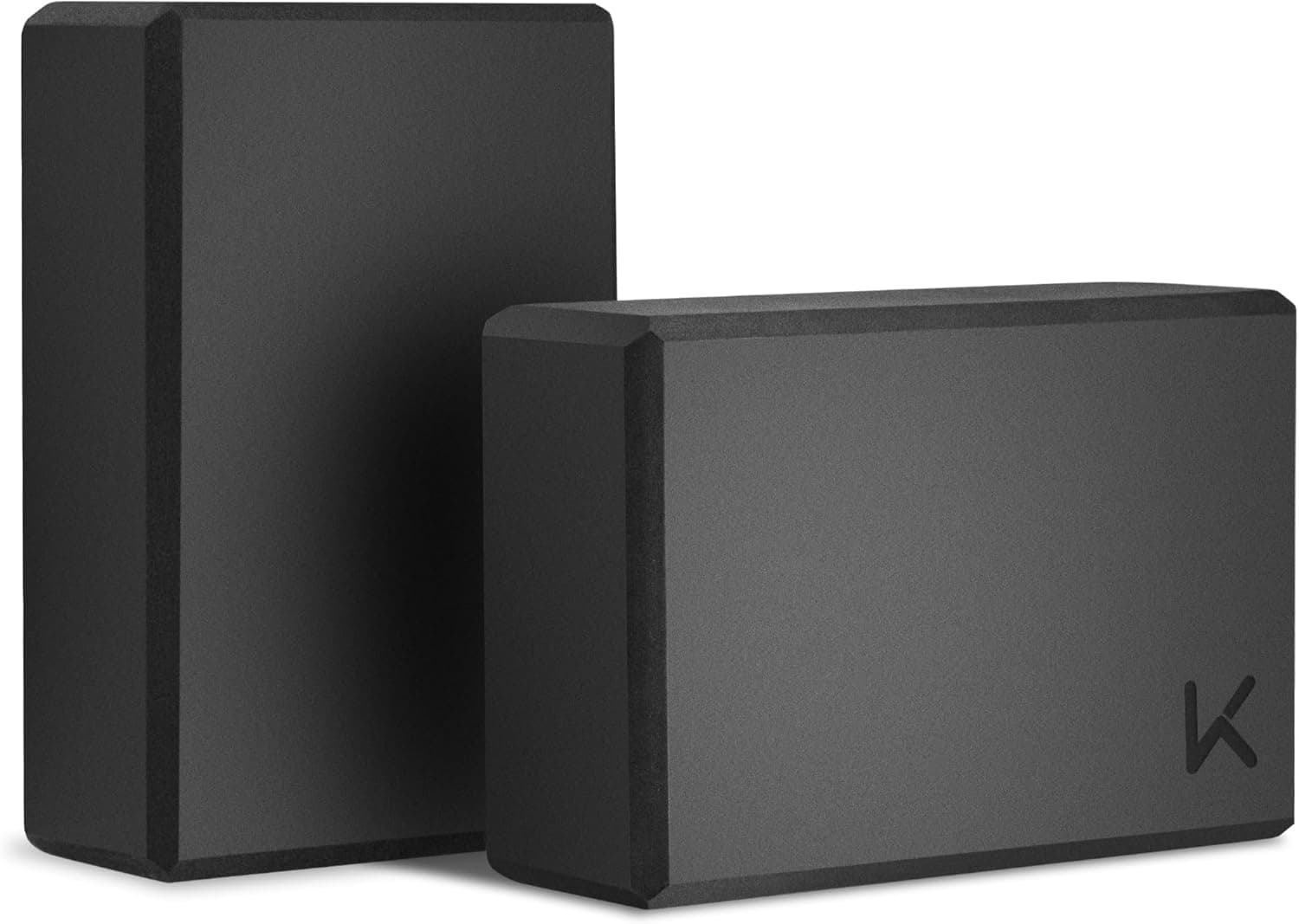
Best Yoga Blocks for Home Practice (2026 Guide)
Compare the best yoga blocks for small-space practice. Find supportive foam, cork, and wood blocks that improve alignment and store in any corner.
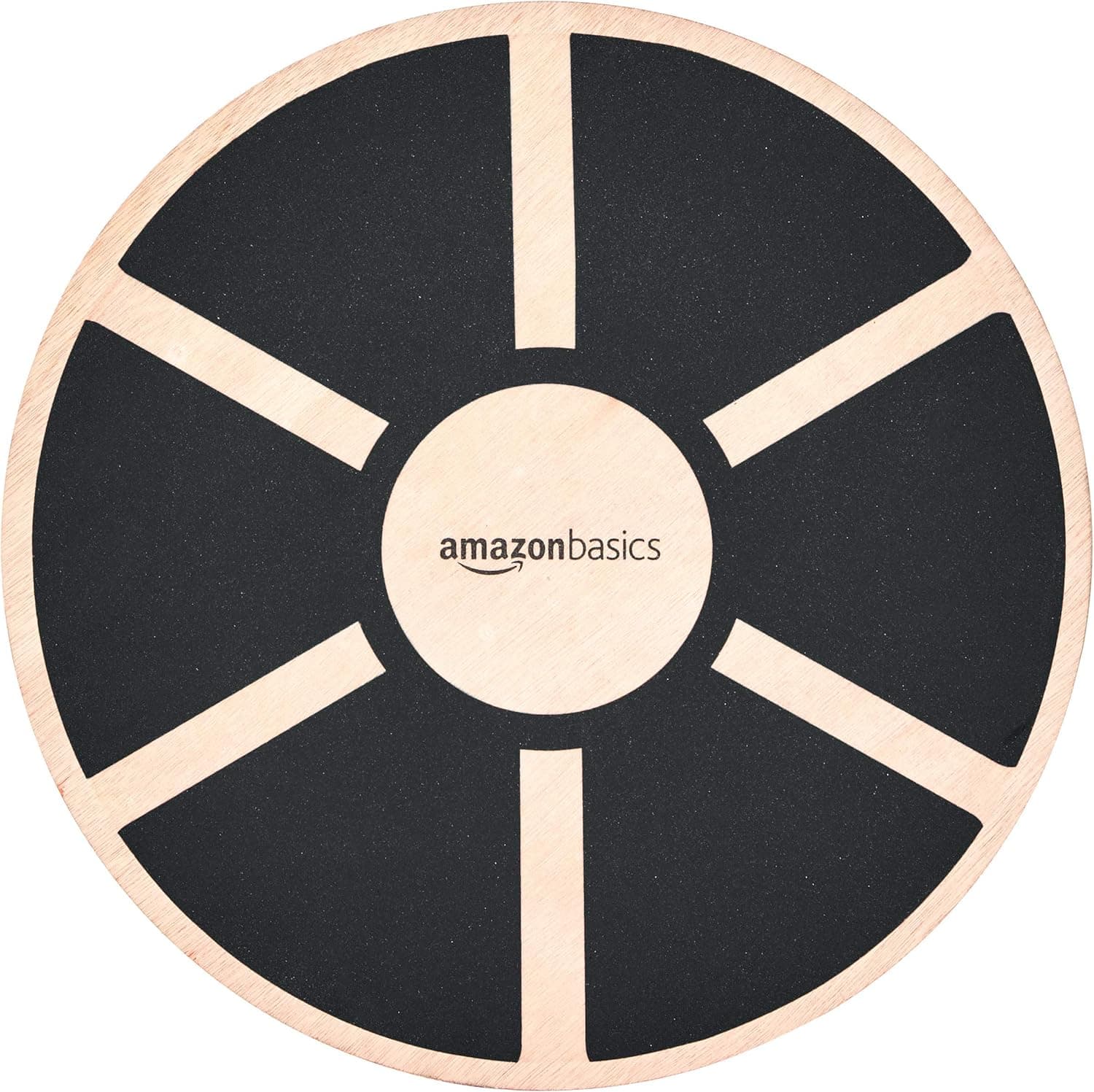
Best Balance Boards for Home Gyms (2026 Guide)
The best balance boards for apartment training. Compare wobble, rocker, and roller boards that build stability and core strength in a tiny footprint.

Best Thick Yoga Mats
Thick yoga mats and the tradeoff nobody mentions: half inch cushioning protects joints but costs balance, plus 72x32 sizing, TPE and NBR grip, and storage.

Best Treadmill Mats
Treadmill mats sized to exceed the machine footprint, why 6mm is the useful thickness, what they do for noise downstairs, and when foldable is worth it.
How to choose
- Use dense rubber under weights and machines.
- Choose thicker cushioning for floor work and kneeling.
- Pick grippy, easy-clean surfaces for sweaty sessions.
- Measure the full training area before buying tiles.
Common questions
How thick should home gym flooring be?
About 3/8 inch rubber suits cardio and bodyweight work. Use 3/4 inch or thicker where dumbbells or plates may be set down hard.
Are yoga blocks worth it?
Yes. They bring the floor closer in stretches, support alignment and make many poses and mobility drills accessible.