Walking Pad Belt Slipping or Drifting: How to Fix It
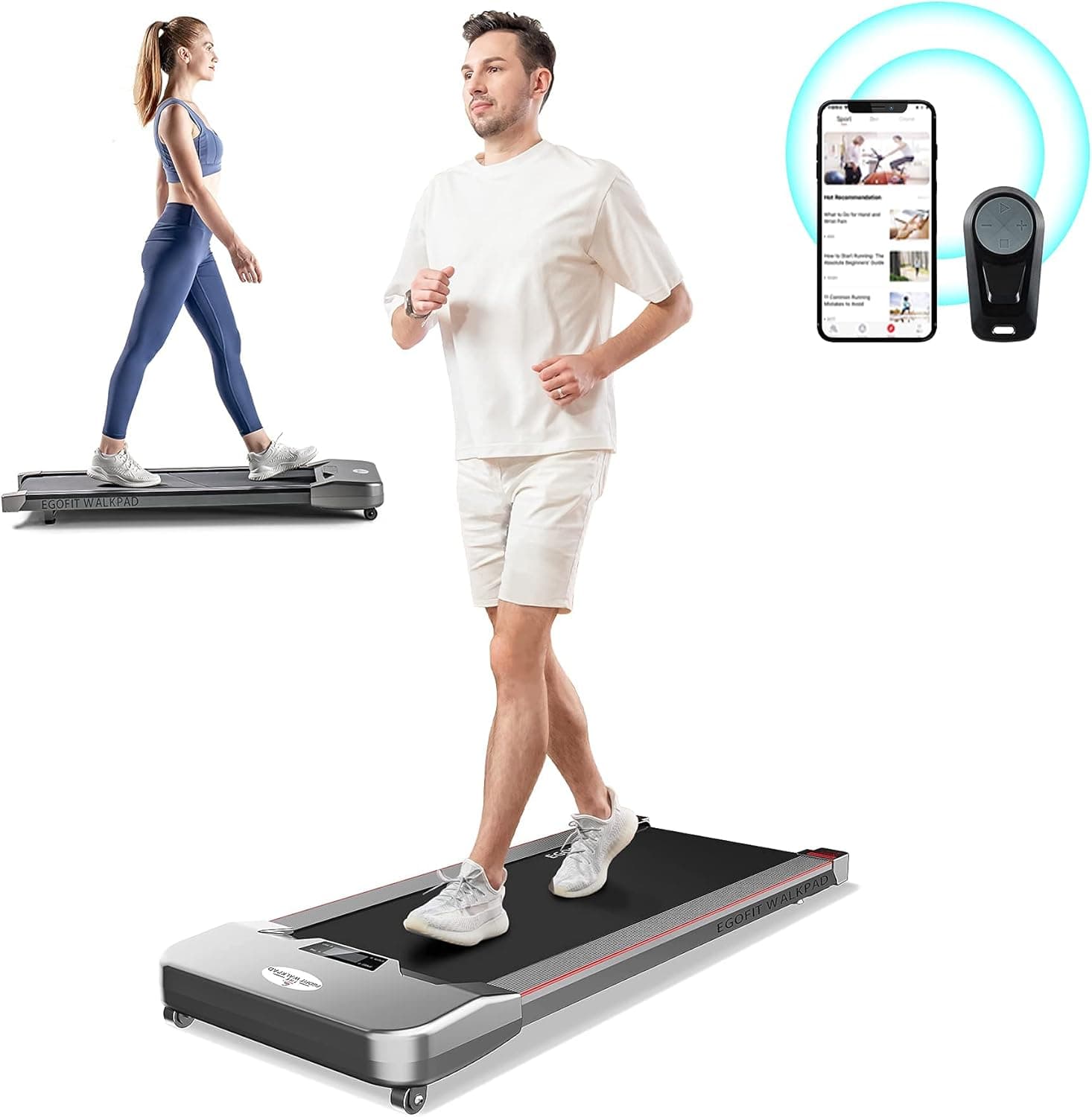
Walking pads and compact treadmills are simple machines, and most belt problems come down to tension, alignment and lubrication. A belt that hesitates under each step, squeaks, or creeps toward one side can usually be corrected in a few minutes with the Allen key that came in the box. Unplug the machine before adjusting anything and follow your model's manual.
Belt slipping or hesitating
If the belt pauses or jerks each time your foot lands while the motor keeps running, the belt is likely too loose to grip the rollers. It is common after the first weeks of use, as new belts stretch slightly.
Find the adjustment bolts at the back end of the deck. Turn both bolts clockwise the same small amount, often a quarter turn each, then run the pad at a slow speed and walk on it. Repeat until the slipping stops. Avoid overtightening, which strains the motor and bearings and can cause a humming or burning smell.
Belt drifting to one side
A belt that tracks to the left or right usually means the rear roller is slightly out of parallel, or the pad sits on an uneven floor. Check the pad is level first, since a thick rug or sloping floor can pull the belt sideways.
With the belt running slowly and nobody on it, make small adjustments on one side only. If the belt drifts left, tighten the left bolt a quarter turn, or loosen the right bolt; wait a minute to see how it settles before adjusting again. Tiny changes make a big difference.
Squeaking, friction and lubrication
Friction between the belt and deck increases as the belt dries out, making the motor work harder and sometimes causing squeaks or the belt slowing under your weight. Many walking pads need silicone lubricant applied under the belt periodically; check the manual for the type and schedule, since some models are maintenance free.
To lubricate, loosen the belt slightly, lift the edge and apply the recommended amount of silicone to the centre of the deck, then run the pad slowly for a few minutes to spread it. Wipe away dust around the belt and motor cover regularly, since grit adds wear.
When to stop and get help
Stop using the machine if you smell burning, see fraying on the belt edge, hear grinding from the rollers, or the belt still slips after correct tensioning. These can indicate a worn belt, damaged roller or motor issue that adjustments will not fix.
Keep the pad on a firm mat, stay within the user weight limit and let the motor rest between long sessions if the manual recommends it. Good habits make belts and motors last far longer.
Everyday habits that protect the belt
Step on after the belt is moving at a slow speed rather than starting it with your full weight on the deck, and stay near the centre of the belt while walking. Constantly walking near one edge encourages drift and uneven wear.
Walk in clean shoes or socks, keep pets and children away from the running belt, and fold or store the pad only after it has cooled. A few seconds of care each session prevents most of the problems described above.