Why Adjustable Dumbbells Get Stuck or Will Not Lock
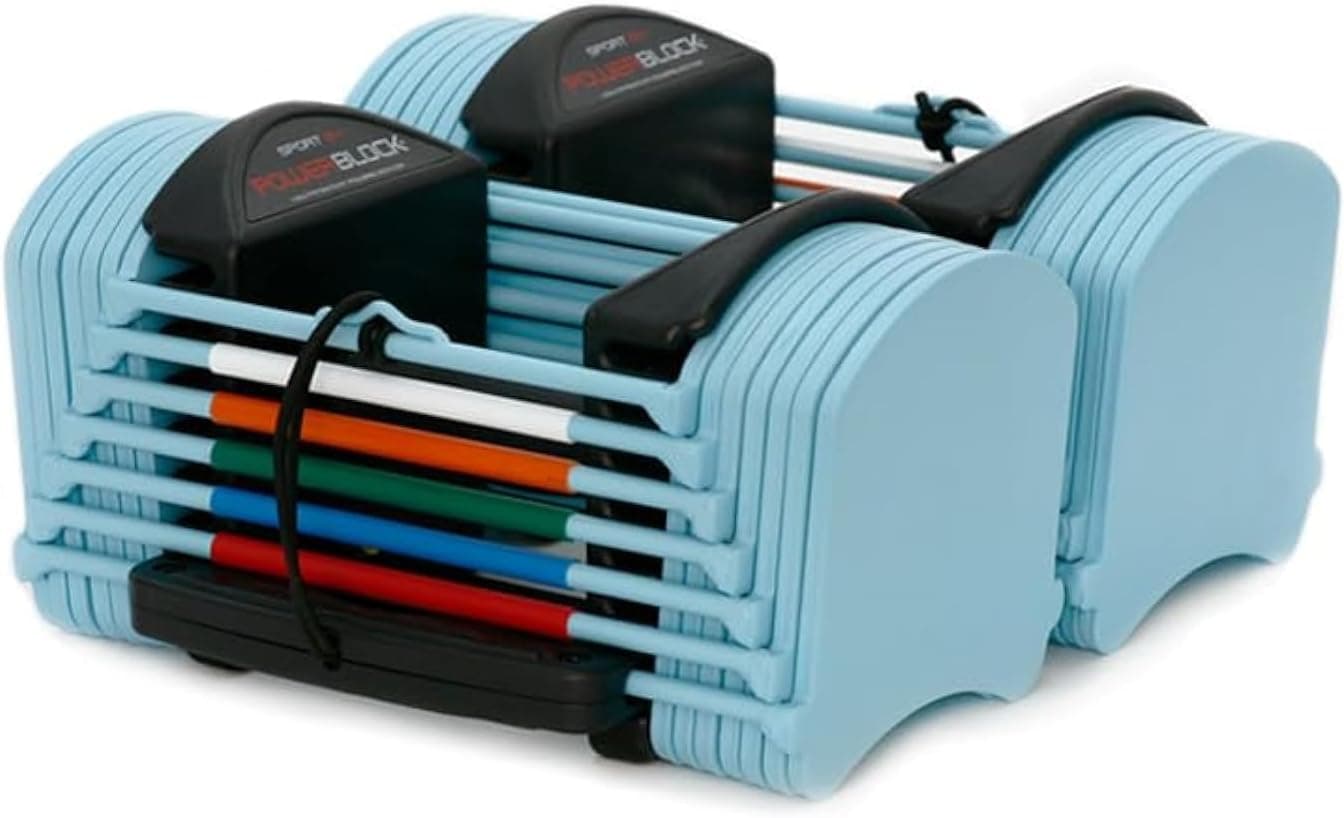
Selector-style adjustable dumbbells save a huge amount of space, but their mechanisms are less forgiving than a plain iron dumbbell. When a dial will not turn, plates stay behind in the cradle or a plate refuses to release, the cause is usually alignment or debris, not a broken product. Always check the manufacturer's instructions first, since mechanisms vary by brand.
The dumbbell is not seated in the cradle
Most dial and pin systems only turn when the handle is sitting fully and evenly in its base. If one end is slightly raised, or the base is on a sloping or soft surface such as a thick rug, the locking parts do not line up and the dial feels stuck or skips between weights.
Place the base on a flat, firm surface and set the dumbbell straight down, rather than dropping or rolling it in. Wiggle it gently until it sits flush at both ends, then try the dial again. Many jams disappear at this step.
Plates are misaligned
If the handle was lifted while the dial was between settings, or a plate tilted in the cradle, the plates can sit slightly out of their slots. The selector then cannot engage them properly, and you may lift the handle with plates dragging or left behind unexpectedly.
Remove the handle, then look along the cradle to check every plate is standing upright in its slot. Push any leaning plates back into position and reseat the handle. Always turn the dial to a clear, fully clicked setting before lifting.
Dirt, grit and worn parts
Grit, pet hair and chalk collect in the slots and around the dial mechanism over time, especially if the dumbbells live on the floor. This extra friction can stop plates releasing or make the dial stiff.
With the dumbbells in their base, clean the slots with a dry brush or vacuum nozzle and wipe plastic parts with a barely damp cloth. Do not oil mechanisms unless the manufacturer says to, since lubricant attracts more dust. If a part is cracked or the lock slips under load, stop using it and contact the manufacturer, as a plate coming loose mid-lift is a safety risk.
Habits that prevent jams
Set the dumbbells down gently in the cradle instead of dropping them, especially at the end of a hard set. Many selector dumbbells are not designed to be dropped, and impacts are the most common cause of bent or cracked locking parts.
Keep the base on a firm mat, return the dial to a set weight before storing, and check the plates are all seated before each workout. A ten-second look saves a jam in the middle of a session.
Choosing adjustable dumbbells that jam less
If you are shopping for a set, look for a mechanism with clear, positive clicks at each weight, a sturdy base that holds the handle square, and clear guidance on whether the dumbbells tolerate drops. Reviews that mention plates loosening after months of use are a warning sign.
Consider how you train. Fast circuits with frequent weight changes and heavy lifting close to failure are harder on selector mechanisms, while controlled strength work suits them well. For drop-heavy training, fixed dumbbells or kettlebells are more forgiving.