Storing Gym Gear in a Small Space
As an Amazon Associate I earn from qualifying purchases.
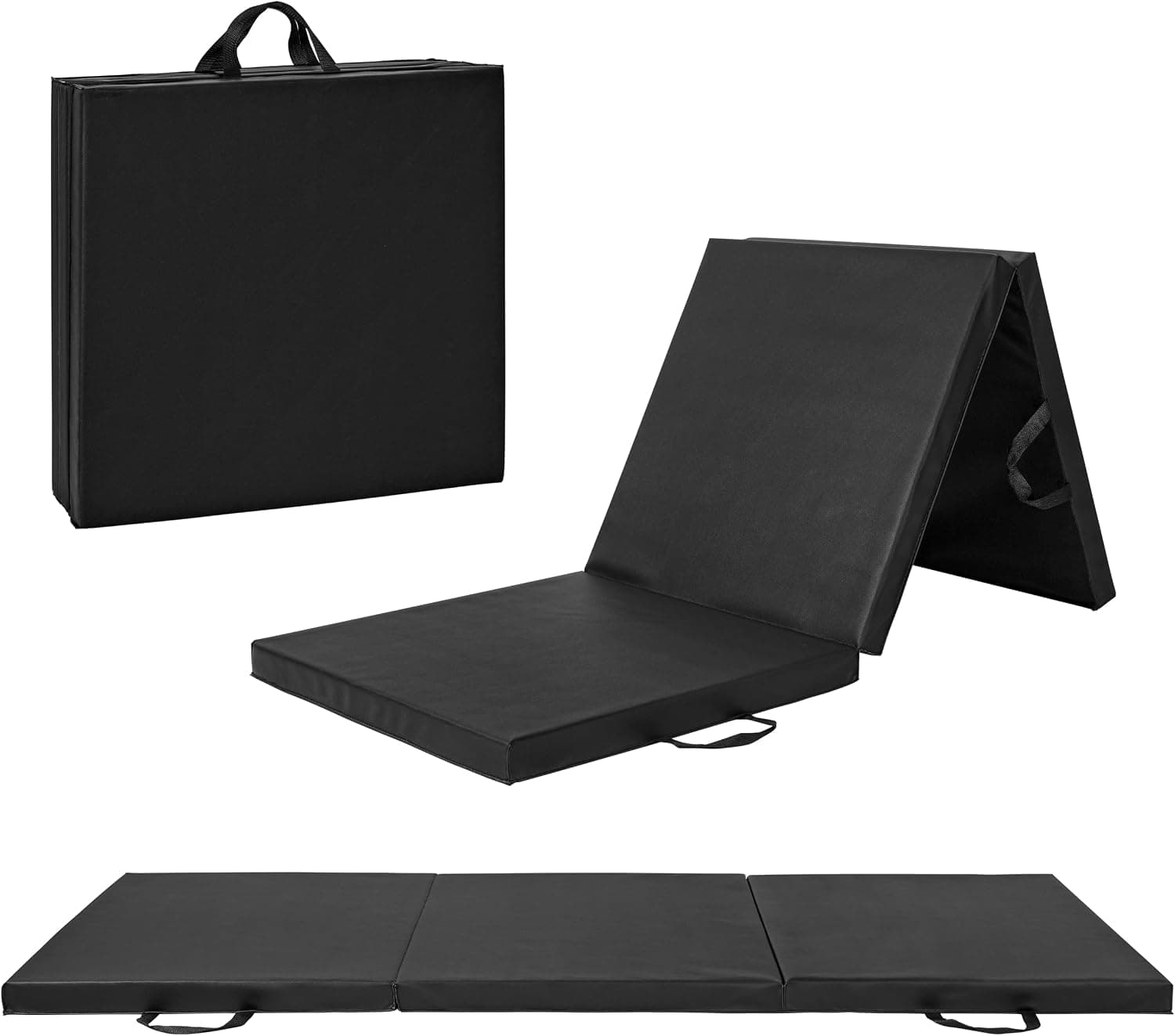
The difference between a small home gym that works and one that gets abandoned is almost never the equipment. It is the storage. Gear that lives on the floor turns a room into an obstacle course, and an obstacle course is something people avoid. Gear that disappears cleanly between sessions keeps your home feeling like a home and keeps you willing to train in it. Storage, in other words, is a training tool.
The first rule is to go vertical, because floor space is precious and wall space is usually wasted. Walls can hold far more than people assume. Sturdy hooks carry resistance bands, suspension trainers, and jump ropes. A slim wall-mounted shelf holds a pair of adjustable dumbbells at chest height where they are easy to grab. Pegboards turn an empty wall into a flexible, reconfigurable storage grid. Every item you lift off the floor and onto the wall is floor you get back.
Under-bed space is the single most underused storage volume in most homes, and it is perfect for flat gym gear. A folding bench, a rolled or flat exercise mat, a set of resistance bands, and even some flat weight plates slide neatly into the gap beneath a bed. Shallow rolling bins on wheels make this space genuinely accessible rather than a place things go to be forgotten. If your bed sits low, bed risers buy you several more centimeters of clearance and a lot more storage.
The smartest small-space storage is dual-purpose, where furniture you already own hides your gear. A storage ottoman holds bands and a jump rope while serving as a seat and a step-up platform. A bench with internal storage doubles as both training equipment and a chest for smaller items. A basket or crate that looks like decor can hold a foam roller and a mat. When storage blends into the room, the gym vanishes the moment you finish using it.
Choose equipment with storage in mind from the start, not as an afterthought. Adjustable dumbbells exist largely because a full rack of fixed weights cannot be stored in an apartment. Folding benches, flat weight plates, bands, and collapsible gear all earn their place partly through how small they become when idle. Before buying any piece, picture exactly where it will live when you are not using it, and be honest about whether that spot exists.
Accessibility is the constraint that keeps storage honest. If putting gear away or getting it out takes more than a few seconds, you will eventually stop bothering, and gear you stop putting away becomes clutter again. The best systems let you set up and pack down almost without thinking: bands on a hook by the door, dumbbells on a shelf at hand height, mat rolled under the bed. Friction is the enemy of consistency, and good storage removes friction.
Treat storage as the foundation of your gym rather than a detail to sort out later. Plan where everything lives before you own it, favor vertical and hidden space over the floor, and choose gear that collapses and stows. Do that, and a surprisingly complete gym can share a small apartment with the rest of your life without either one crowding the other out. The gear you can put away easily is the gear you will actually use.