Why Resistance Bands Snap (and How to Prevent It)
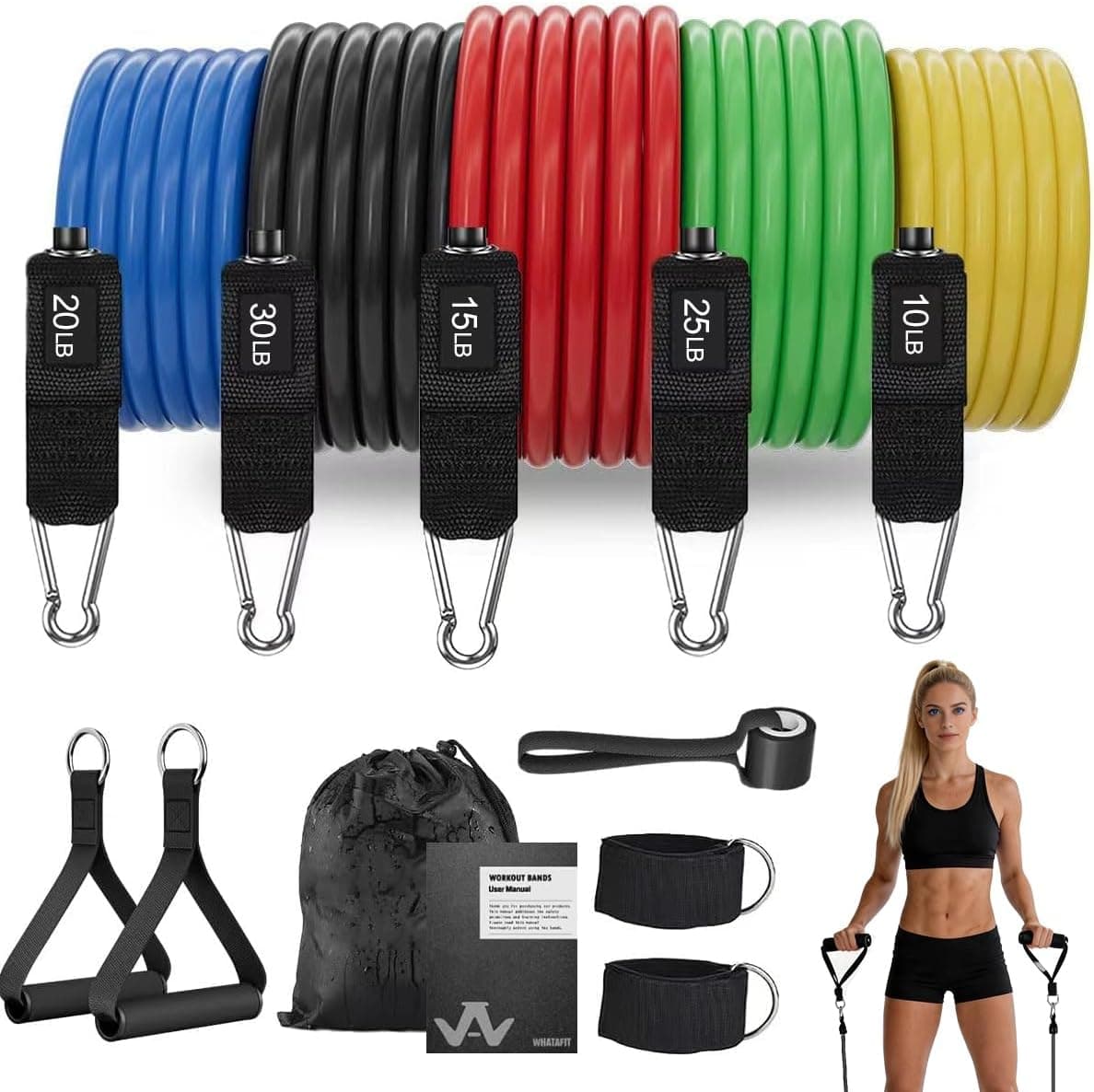
A resistance band that snaps mid-rep can sting badly or hit your face. Bands do wear out, but most failures give warning signs first. Knowing what weakens latex and fabric bands, how to anchor them and when to retire them keeps home workouts safe.
What weakens a resistance band
Small nicks and cuts are the main culprit. A band scraped against a rough door frame, a sharp edge on a squat rack or a ring on your finger can develop a tiny tear that grows each time the band stretches, until it fails suddenly.
Latex also degrades with age, sunlight, heat and oils. Bands left near a sunny window, in a hot car or in contact with lotions become sticky, discoloured or brittle and lose strength. Overstretching a band far beyond the length it was designed for concentrates stress and speeds up failure.
Inspect before every workout
Run each band slowly through your hands and stretch it gently, looking and feeling for nicks, thin spots, cracks, discolouration and sticky or powdery surfaces. Pay close attention near handles, carabiners and any spot that wraps around an anchor.
Retire a band at the first sign of damage. A replacement band costs very little compared with an injury, and there is no reliable way to repair a tear in latex.
Anchor and use bands safely
Use a padded door anchor on the hinge side of a door that closes toward you, so it cannot swing open, and never loop bands over sharp metal edges. Wrap anchors around rounded, smooth posts and use sleeves or padding where bands touch rack edges.
Keep bands within their recommended stretch length, and choose a heavier band instead of stretching a light band further. Point anchors away from your face where possible, and control the band on the return rather than letting it snap back.
Store bands so they last
Keep bands out of direct sunlight and away from heaters, radiators and hot cars. Hang them loosely on hooks or store them in a drawer or bag rather than tightly knotted.
Wipe latex bands with a damp cloth and let them dry after sweaty sessions, avoiding oils and harsh cleaners. Fabric-covered loop bands resist nicks better for lower body work, and are a good option if you train on rough floors.
Choosing safer bands
Tube bands with handles should have protective sleeves or an inner safety cord, and reinforced connection points where the tube meets the handle, since that joint is a common failure point. Flat loop bands made from layered latex tend to fail more gradually than thin single-layer bands.
Fabric loop bands are more resistant to nicks and roll less on the legs, making them a good choice for hip and glute work. Whatever type you use, buy from brands that publish clear resistance ranges and care instructions.
If a band snaps during a workout
Stop and check yourself for welts or eye irritation, and see a doctor if a band struck your eye. Then inspect the remaining bands in the set, since bands bought together and stored together often age at the same rate.
Look at where it broke. A break at an anchor point suggests a sharp or rough anchor, while a break mid-length usually means age, heat or an unseen nick. Fix the cause before trusting a new band in the same setup.