Recovery and Mobility in a Small Home
As an Amazon Associate I earn from qualifying purchases.
Training is only half of getting fitter; the other half is recovery, and recovery is where progress is actually built. The reassuring thing for anyone in a small home is that recovery takes almost no space at all. While a full gym demands equipment and floor, the tools and habits that help your body repair and move well fit into a drawer and a corner of the floor. A small apartment is no obstacle to recovering as well as anyone with a spare room.
Mobility work is the foundation, and it needs nothing but the floor you already have. Gentle, deliberate movements that take your joints through their full range keep you supple, reduce stiffness, and lower your risk of injury. Hip openers, thoracic rotations, shoulder circles, and slow controlled stretches all happen on a single mat in the same footprint as your workouts. Ten or fifteen minutes of this after training or before bed pays off far beyond the tiny space it occupies.
A foam roller is the one recovery tool worth owning, and it earns its modest space. Rolling slowly over tight muscles helps release tension, improves circulation, and eases the soreness that follows hard training. A roller stores upright in a corner, under a bed, or on a shelf, and it doubles as a prop for chest-opening stretches and core exercises. If you buy one recovery item, make it a foam roller; it delivers the most benefit per centimeter of storage.
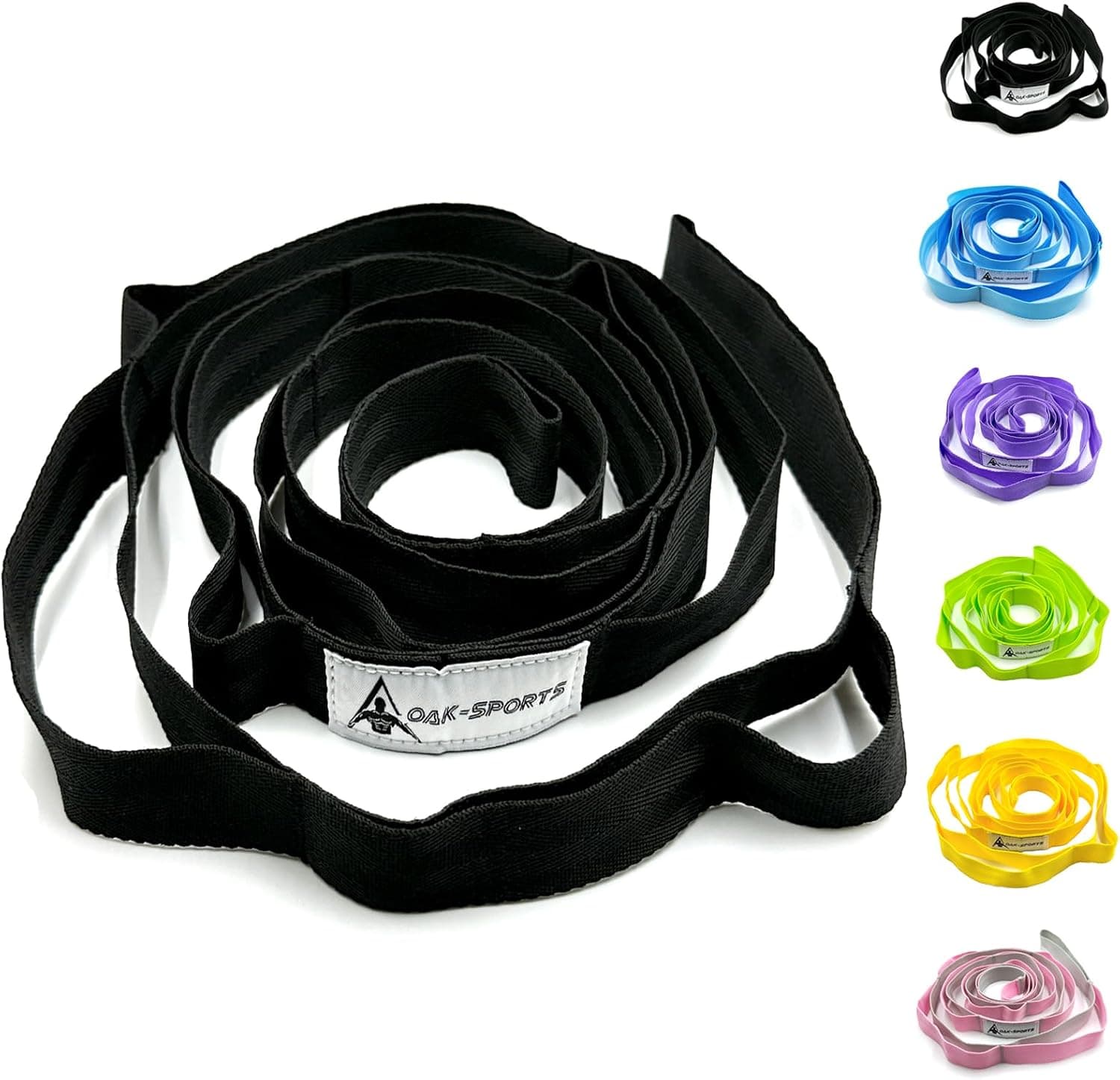
Smaller tools extend your options without adding clutter. A massage ball, which can be as simple as a firm rubber ball, digs into knots that a roller cannot reach, in the feet, glutes, and shoulders, and it lives in a drawer. A resistance band, already useful for strength work, doubles as a stretching aid that lets you deepen hamstring and shoulder stretches safely. These pocket-sized tools mean a complete recovery kit takes up less room than a pair of shoes.
Breath and stillness are recovery tools too, and they are entirely free and space-free. A few minutes of slow, deliberate breathing shifts your nervous system out of the stress state that hard training and busy days keep it in, and into the state where repair happens. Lying on the floor with your legs up a wall, breathing slowly, is one of the most effective and least demanding recovery practices there is, and it costs nothing and needs no equipment at all.
Sleep is the master recovery process, and while it is not a gym topic, it belongs in any honest discussion of recovery. No foam roller or stretch compensates for chronic poor sleep, and no supplement rivals a consistent, adequate night of it. In a small home, protecting your sleep environment, keeping it dark, cool, and quiet, does more for your recovery than any tool you could buy. Treat sleep as the most important recovery equipment you own, because it is.
The encouraging conclusion is that recovery is the great equalizer between large gyms and small ones. You may not fit a squat rack into a studio, but you can absolutely fit a foam roller, a mat, and the habits of mobility, breathing, and sleep that let your body adapt to training. Because progress comes from the cycle of stress and recovery, doing the recovery half well is one of the highest-value things a small-space trainee can do, and space is no excuse for skipping it.