Quiet Home Workouts That Keep Your Downstairs Neighbors Happy
As an Amazon Associate I earn from qualifying purchases.
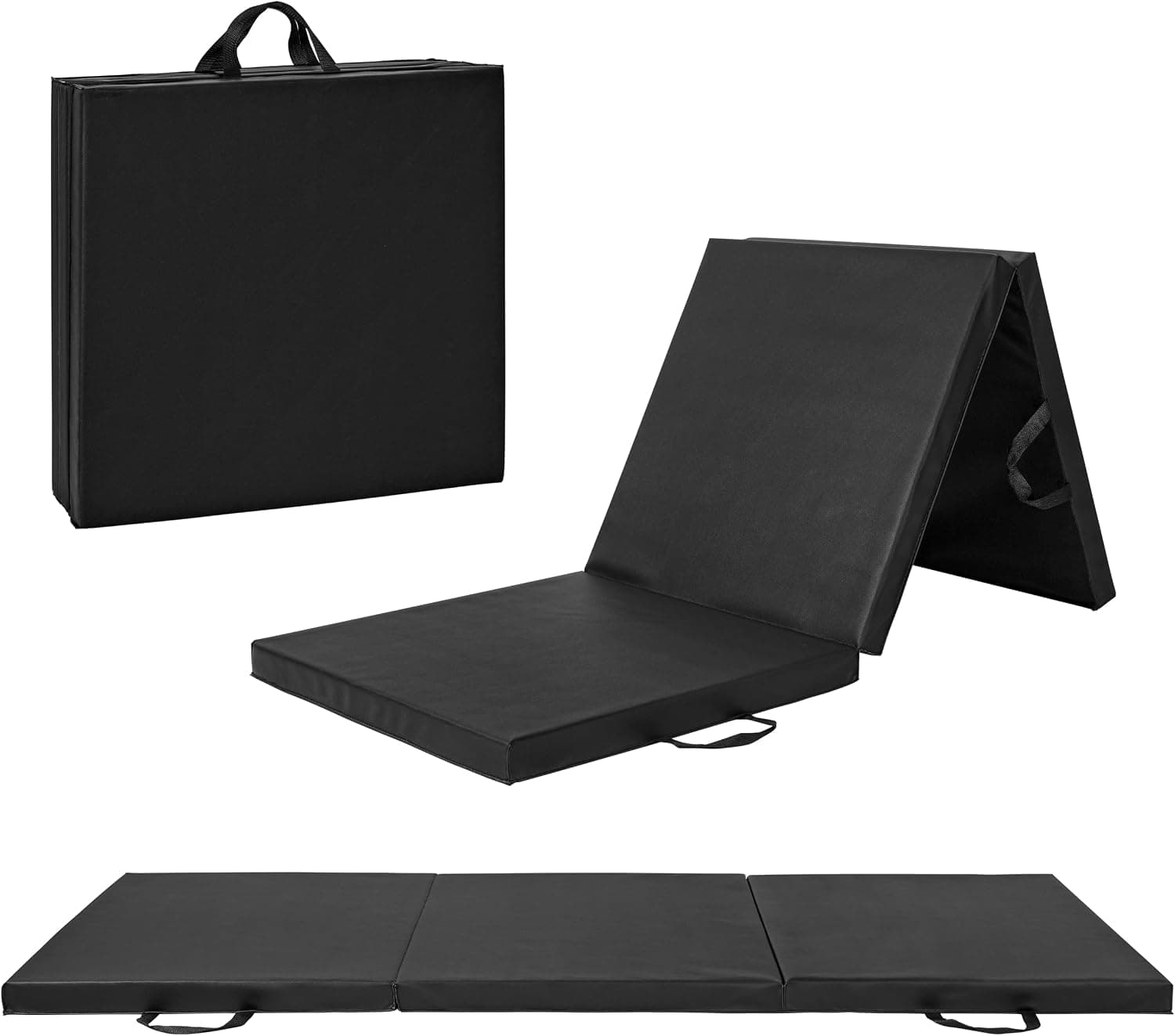
Floor noise is impact and dropped weight, so replace jumping with slow tempo movements (a jump squat becomes a three-second-descent squat), use resistance bands, never drop a dumbbell (lower it under control, which also builds more muscle), and train on a dense rubber mat. Bodyweight work like push-ups, planks, lunges, and glute bridges is nearly silent. A quick friendly word with the neighbour below turns a potential conflict into goodwill. Living above someone changes how you can train. Sound travels through floors as vibration, and the worst offenders are impact and dropped weight: jumping jacks, burpees, box jumps, and the clang of a dumbbell hitting the ground. The good news is that almost every training goal can be reached with quiet alternatives, and quiet training often builds more control and better form than the noisy version it replaces.
Replace impact with tension
The first principle is to replace impact with tension. Instead of jumping, you slow the movement down and make your muscles work through a longer range under load. A jump squat becomes a slow tempo squat with a three-second descent. Mountain climbers become a plank with slow, deliberate knee drives. You lose the plyometric bounce but gain time under tension, which is a legitimate and effective stimulus for strength and endurance.
Resistance bands: the quietest tool there is
Resistance bands are the quietest training tool that exists. They produce almost no sound, they store flat, and they let you press, pull, squat, and curl without a single metallic clink. Anchoring a band to a sturdy door frame gives you rows and pulldowns; standing on it gives you presses and curls. Because the resistance is smooth and continuous, there is no jarring bottom position where a weight would otherwise slam down.
When you use weights, never drop them
When you do use weights, the rule is simple: never drop them. Lower every dumbbell or kettlebell under control back to the floor or the bench. This single habit eliminates most of the noise complaints that apartment lifters generate. Controlled lowering is also the eccentric portion of the lift, the part most responsible for muscle growth, so lowering slowly makes you stronger while keeping you quiet.
Flooring multiplies everything else
Flooring multiplies the benefit of everything else. A dense rubber mat or a stack of interlocking foam tiles absorbs the vibration that would otherwise travel into the structure of the building. Put your mat down where you train, and if you own a treadmill or bike, place anti-vibration pads under each foot. The difference between bare floor and a good mat is the difference between a neighbor who hears you and one who does not.
Bodyweight training can be nearly silent
Bodyweight training deserves special mention because it can be nearly silent when done deliberately. Push-ups, planks, lunges, wall sits, glute bridges, and slow step-ups make no noise at all. Pair these with bands and a pair of dumbbells lowered under control, and you have a complete program that your downstairs neighbor will never hear. Save the one genuinely loud thing, if you must do it at all, for the middle of the day when the building is awake.
Timing and courtesy
Timing and courtesy round out the strategy. Even quiet training is best kept out of the small hours, and a quick conversation with the neighbor below can turn a potential conflict into goodwill. Tell them you work out at home, ask them to let you know if anything ever bothers them, and then hold up your end by keeping the impact and the drops out of your routine. Respect earns you the freedom to train on your own schedule, which is the whole point of having a gym at home.
Frequently asked questions
How can I work out at home without disturbing the apartment below? Swap jumping for slow tempo movements, use resistance bands, lower every weight under control instead of dropping it, and train on a dense rubber mat or foam tiles.
Do resistance bands really replace weights for quiet training? For most goals, yes. Bands let you press, pull, squat, and curl with no metallic clink and no jarring bottom position where a weight would slam down.
Does lowering weights slowly actually help build muscle? Yes. The controlled lowering (eccentric) phase is the part most responsible for muscle growth, so lowering slowly makes you stronger while keeping you quiet.
Should I tell my downstairs neighbour I work out at home? It helps. A short conversation asking them to flag anything that bothers them, plus keeping impact and drops out of your routine, usually earns you the freedom to train on your own schedule.