How Much Space You Really Need for a Home Gym
As an Amazon Associate I earn from qualifying purchases.
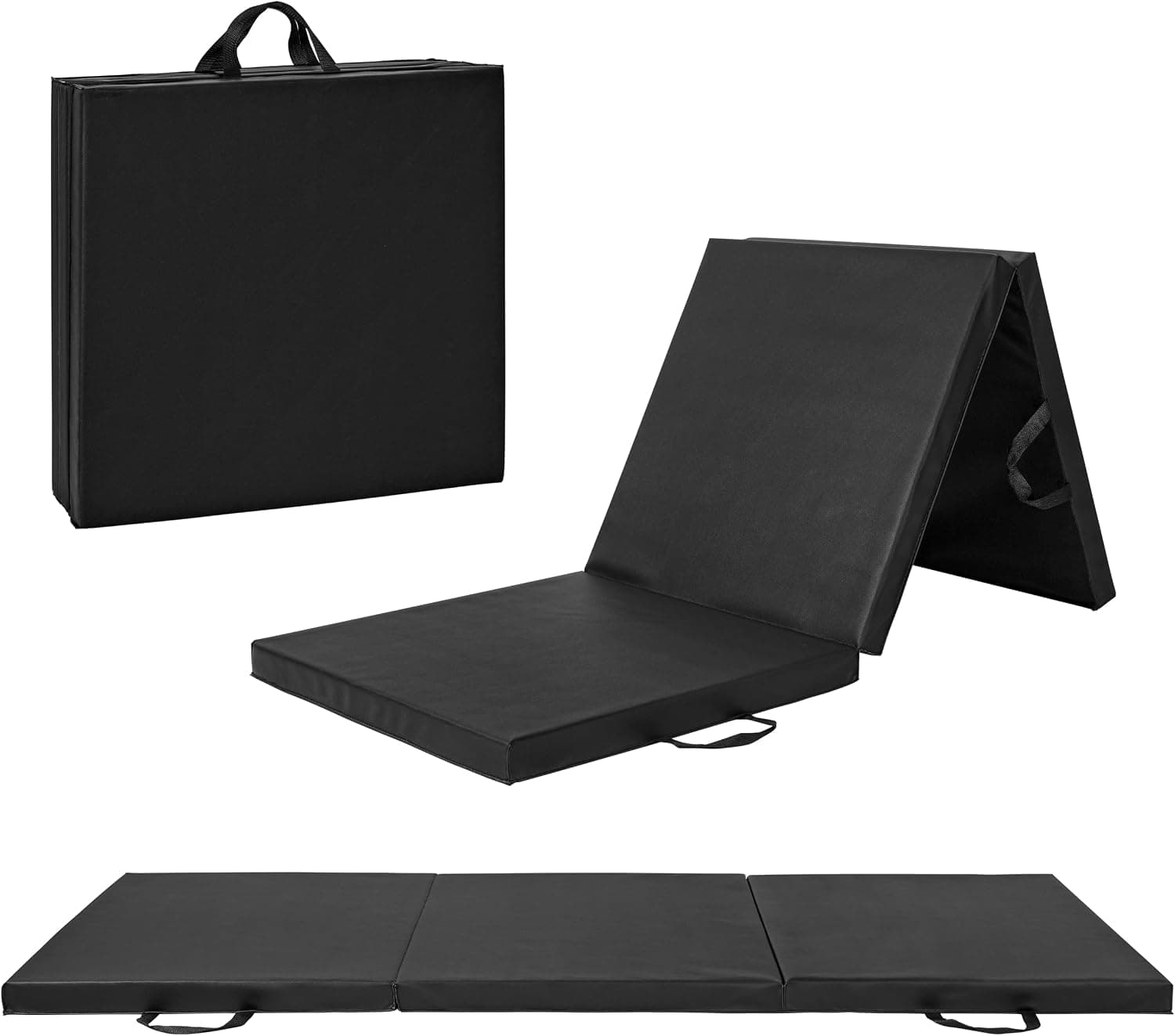
People routinely overestimate how much space a home gym requires, and that overestimate stops many of them from ever starting. The image of a garage lined with racks and machines is a want, not a need. The actual space required to train effectively at home is startlingly small once you separate what different training styles genuinely demand from what looks impressive in photographs. Knowing the real numbers is often all it takes to realize you already have enough room.
Bodyweight training needs the least, and it is where most people should honestly begin. The space required is roughly the footprint of your own body lying down with a little room to move, about the size of a yoga mat plus swing room, which comes to something like two meters by one meter of clear floor. Within that patch you can do push-ups, squats, lunges, planks, and dozens of variations. Almost every home has this much clearable floor somewhere, even if it means moving a coffee table.
Dumbbell and kettlebell training adds very little to that footprint. You need the same mat-sized zone to move in, plus a small amount of storage for the weights themselves, which adjustable dumbbells or a single kettlebell reduce to the size of a shoebox or two. Overhead pressing means you need to check your ceiling height, but standard ceilings are fine for most people. In practical terms, if you have room for bodyweight training, you have room for dumbbell training too.
Ceiling height is the dimension people forget, and it matters for specific movements rather than for the gym as a whole. Overhead presses, jumping movements, and kettlebell swings all send your hands or the weight above your head, and very low ceilings can limit them. A standard residential ceiling accommodates almost everyone; only unusually low ceilings, or tall people doing overhead work, run into trouble. Check by standing where you will train and reaching up with a weight before assuming height is a problem.
Equipment with a fixed footprint is where space planning gets real, and it is worth being honest about. A folding bench in use needs its own length plus room to stand and move around it, though it stores flat. A cardio machine like a bike or a folding treadmill claims a defined patch of floor whenever it is set up. These items are where a gym starts to compete with the rest of a room, which is exactly why compact, foldable, and storable versions matter so much in small homes.
Clearance around your training zone matters as much as the zone itself, because you need to move without hitting anything. Swinging a kettlebell, pressing dumbbells overhead, or dropping into a lunge all send your body or the weights beyond your standing footprint. Leave a buffer on each side, check for light fixtures overhead, and make sure nothing fragile sits within reach of a moving limb or weight. This clearance is often what determines whether a given corner of a room actually works as a gym.
The encouraging conclusion is that the space threshold for a genuinely effective home gym is low: a clearable patch of floor roughly the size of a yoga mat, standard ceiling height, a bit of clearance around you, and a small amount of storage for compact gear. That describes a corner of nearly every apartment. The people who never build a home gym because they are waiting for a spare room are usually waiting for something they never needed in the first place.