Setting Up a Garage-Free Home Gym
As an Amazon Associate I earn from qualifying purchases.
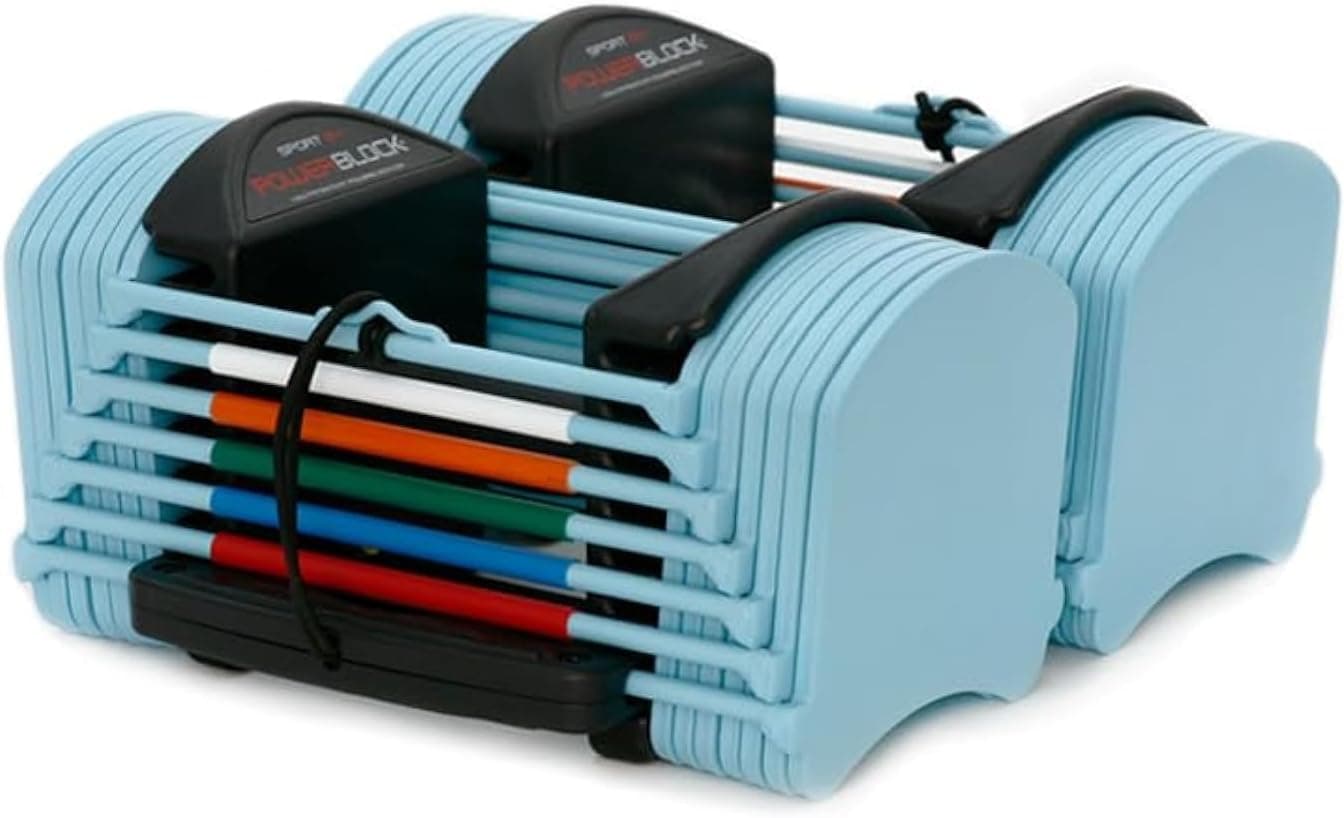
Most home-gym advice quietly assumes you have a garage, a basement, or at least a spare room to fill with racks and rubber. If you live in an apartment, that advice can feel like it is written for someone else. It is not. A garage-free home gym is not a compromised version of a real one; it is simply a different design problem, solved with compact equipment, clever storage, and movements chosen to fit the space you already live in.
The first mental shift is to stop looking for a dedicated room and start looking for a dedicated moment. Your gym does not need a permanent home; it needs a zone you can activate for thirty minutes and then pack away. A stretch of living-room floor, cleared of a coffee table for the length of a workout, becomes a full training space, then returns to being a living room. This time-sharing of space is the fundamental technique of garage-free training, and once you embrace it the lack of a spare room stops mattering.
Equipment for a garage-free gym is chosen by a single ruthless criterion: how much can it do relative to how little space it takes when stored. Adjustable dumbbells replace a rack. Resistance bands replace cable machines. A folding bench replaces a fixed one and slides under the bed. A doorway pull-up bar replaces a rig and comes down in seconds. Each of these gives you gym-grade function in a form that vanishes when idle, which is exactly what an apartment demands.
Protecting the space is more important without a garage, because you are training in rooms with finished floors, neighbors, and furniture. A good mat is non-negotiable, both to protect the floor and to define your zone and dampen noise. Controlled movement replaces dropping and jumping, keeping you on good terms with the people below. These are not limitations so much as the discipline that makes training in a shared building sustainable, and the control they demand often improves your lifting.
Storage does the heavy lifting that a garage would otherwise do. In a garage, gear can simply sit out; in an apartment, every piece needs a home it returns to. Wall hooks, under-bed bins, a shelf for dumbbells, and dual-purpose furniture like a storage ottoman keep the equipment invisible between sessions. When packing away is quick and everything has a place, the gym coexists peacefully with the rest of your life rather than slowly taking it over.
Programming for a garage-free gym leans on the fact that you do not need heavy barbells to get strong and fit. Dumbbell and bodyweight training, progressed through added reps, slower tempos, and increased resistance, builds real muscle and conditioning for years before anyone truly outgrows it. The vast majority of people never reach the point where a lack of a squat rack and a loaded barbell is what is holding them back; consistency and effort are the real limiting factors, and those need no garage.
The result of doing this well is a gym nobody would notice was there. A visitor sees a normal apartment: a bench that looks like a bench, dumbbells on a shelf, bands on a hook, a mat rolled under the bed. Yet in that same space you squat, press, pull, and sweat several times a week. That is the quiet triumph of the garage-free gym: it proves that the room was never the point, and that the will to use the space you have is worth more than any amount of space you do not.