How to Weight Train: A Beginner Plan for a Small Home Gym
Published How we research
To weight train, pick a few big exercises that cover the main movement patterns, do 2 to 4 hard sets of each with a weight you can lift 6 to 15 times, and add a little load or a rep when the work gets easier. Do that two or three days a week with a rest day between sessions, and you have a working program. This guide shows how to set that up in a small apartment with a short list of equipment.
Products from this article
The highest-scoring picks from the buying guides this article links to. Scores are our editorial assessment, not customer ratings.
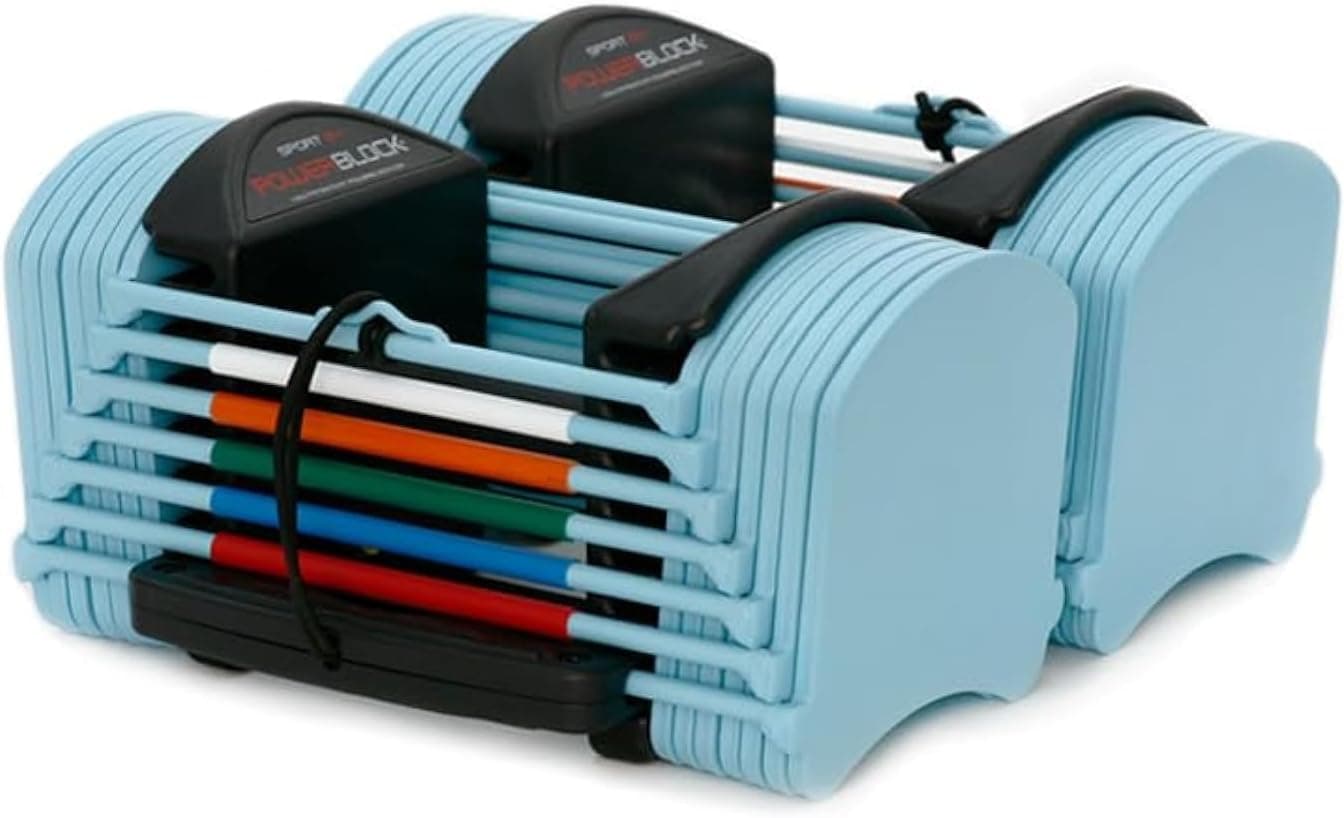
+ 5-25 lb per dumbbell across 5 dial settings suits warmups through moderate lifts
From our guide: Adjustable Dumbbells for Small Spaces
+ 880LBS rating gives plenty of headroom for heavy presses
From our guide: Best Adjustable Benches
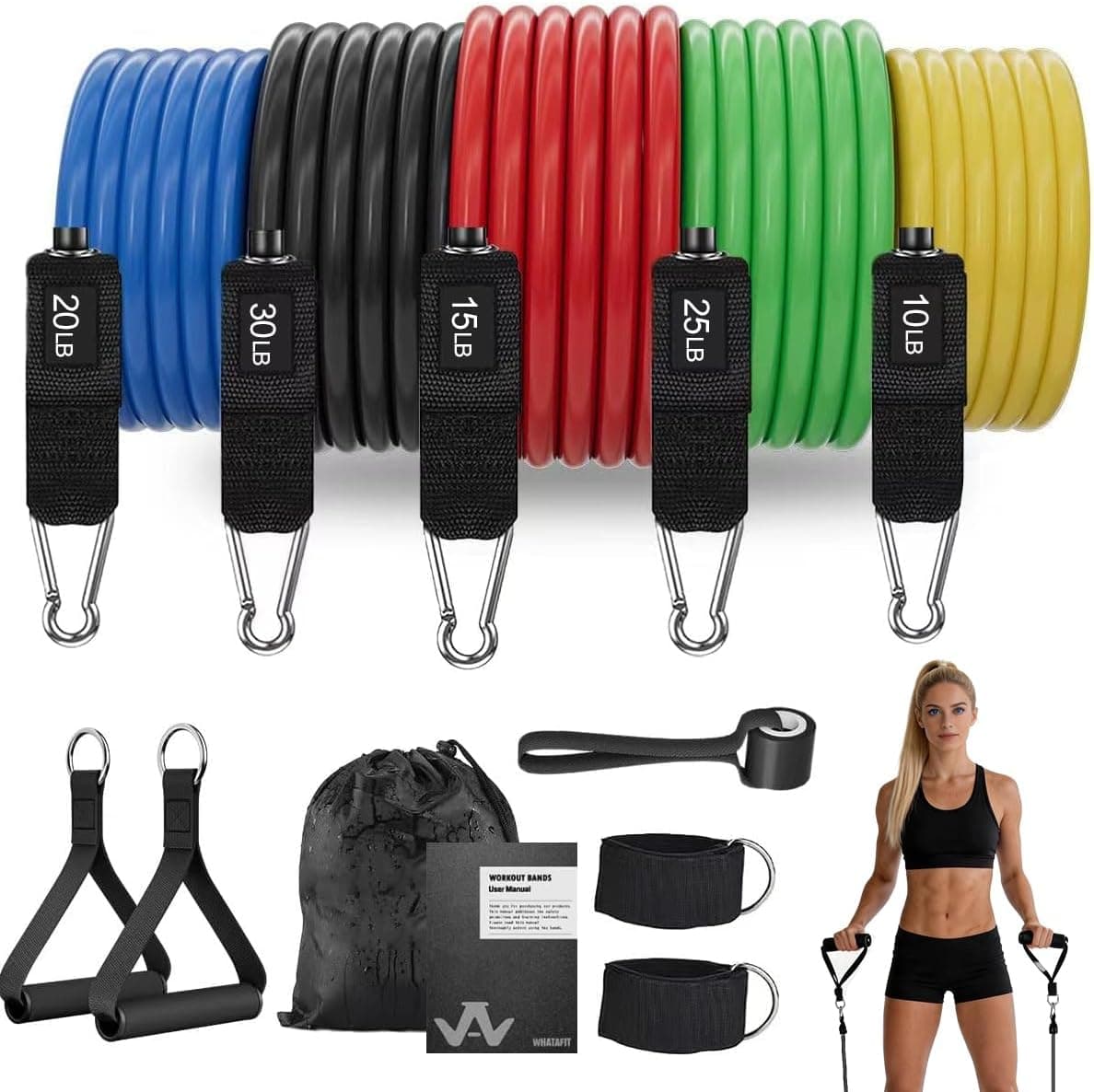
+ Handles and door anchor recreate cable machine moves at home
From our guide: Best Resistance Band Sets for Home Gyms (2026 Guide)
+ Steel construction feels tougher than plastic-shelled dial dumbbells
From our guide: Adjustable Dumbbells for Small Spaces



Start with six movement patterns
Almost every useful lifting exercise belongs to one of six patterns: a squat, a hip hinge, a push, a pull, a carry or core brace, and a single-leg movement such as a lunge. A beginner program does not need more than one or two exercises from each. A goblet squat, a Romanian deadlift, a push-up or dumbbell press, a row, a suitcase carry and a split squat already cover the whole body.
Choosing by pattern instead of by muscle name keeps the plan short and stops you from skipping the hard parts. If a pattern is missing from your week, that is usually the one to add first.
Set up the space and the minimum gear
Weight training needs less room than most people expect. A 6 by 6 foot patch is enough for dumbbell work, and a rack or bench can fold away when the session ends. The first purchase for most small spaces is an adjustable dumbbell pair, because one set replaces a whole rack and the weight can grow with you.
A bench that adjusts from flat to incline opens up presses and supported rows. Resistance bands are a cheap backup for pulling work and for travel weeks. Put a mat or tiles under the working area so dropped weights do not mark the floor.
Sets, reps and how heavy to go
A common starting structure is 3 sets of 8 to 12 reps per exercise. The weight is right when the last two reps of a set are slow and hard but your form stays the same as on the first rep. If you could easily do five more reps, the weight is too light. If your form breaks down before rep 6, it is too heavy.
Rest 90 seconds to 2 minutes between sets for the big lifts, and about a minute for smaller movements. A full session of five or six exercises then takes 40 to 50 minutes. Two full-body sessions a week is a fine start, and a third day can be added once the first two feel routine.
On your first week, use weights that feel almost too light. Learning the movement with clean reps matters more than the number on the dumbbell.
A simple full-body week
Here is a plan that fits a pair of adjustable dumbbells, a bench and a mat. Day A: goblet squat, dumbbell bench press, one-arm row, Romanian deadlift, plank. Day B: split squat, overhead press, push-up, dumbbell row or band pull-apart, suitcase carry. Alternate A and B across three non-consecutive days, so the pattern is A, B, A one week and B, A, B the next.
Write down the weight and reps for every set. A notebook or phone note is enough. The log is what lets you see progress and decide when to go heavier.
How to progress without guessing
The simplest method is double progression. Choose a rep range such as 8 to 12. Stay at one weight until you can do 12 reps on every set, then raise the weight by the smallest step available and start again near 8 reps. Dumbbells often jump 5 pounds at a time, which is a big step on presses, so small plates or bands can help bridge the gap.
If a lift stalls for two or three sessions, check sleep, food and technique before changing the program. Repeating a lift for several weeks is normal. Swapping exercises every session hides progress.
Form basics that prevent most problems
Keep a neutral spine on squats and hinges, with your ribs stacked over your hips. Control the lowering part of each rep for about two seconds, and do not bounce the weight out of the bottom position. Breathe in before the hardest part of the rep and out as you pass it.
Warm up with five minutes of easy movement, then do one or two lighter sets of the first exercise before your working sets. Stop a set when form changes, even if you planned more reps. Sharp or unusual pain is a reason to stop and ask a qualified coach or clinician.
Common beginner mistakes
The first mistake is changing the program every week. Muscles and movement skills improve with repetition, so stick with the same exercises for at least four to six weeks before swapping any of them. The second is training to failure on every set from day one. Leave a rep or two in reserve at first, and save harder sets for the last set of an exercise once the movement feels familiar.
The third mistake is skipping the pulling and leg work because pushing is more fun. A balanced plan has about as many rows and pulls as presses, and a squat and hinge in every week. The fourth is ignoring rest. Soreness in the first couple of weeks is common, and a lighter day or an extra rest day is better than pushing through every session.
Frequently asked questions
How many days a week should a beginner weight train? Two or three full-body days with at least one rest day between them is a common and manageable start.
Do I need a barbell to start? No. Dumbbells, a bench, bands and bodyweight moves cover all six patterns. A barbell and rack become useful later when dumbbells run out of weight.
How long until I know the plan is working? Check your log, not the mirror. If reps or weights are creeping up over three to four weeks, the plan is doing its job.
Should I do cardio too? You can. Keep hard cardio away from the hour before heavy leg work, and treat walking or easy cycling as a separate, lighter addition.
Popular right now
- Best Landmine Attachments for Compact Gyms (2026 Guide)Buying guide
- A Full-Body Workout in Two Square FeetArticle
- Noise-Reducing Flooring for a Home GymArticle
- Best Mini Exercise BikesBuying guide
- Foldable Weight BenchesBuying guide
- Best Push-Up Bars for Small-Space Workouts (2026 Guide)Buying guide
Based on the last 28 days of search and visitor data.