Dumbbell-Only Workout Plans for Small Spaces
As an Amazon Associate I earn from qualifying purchases.
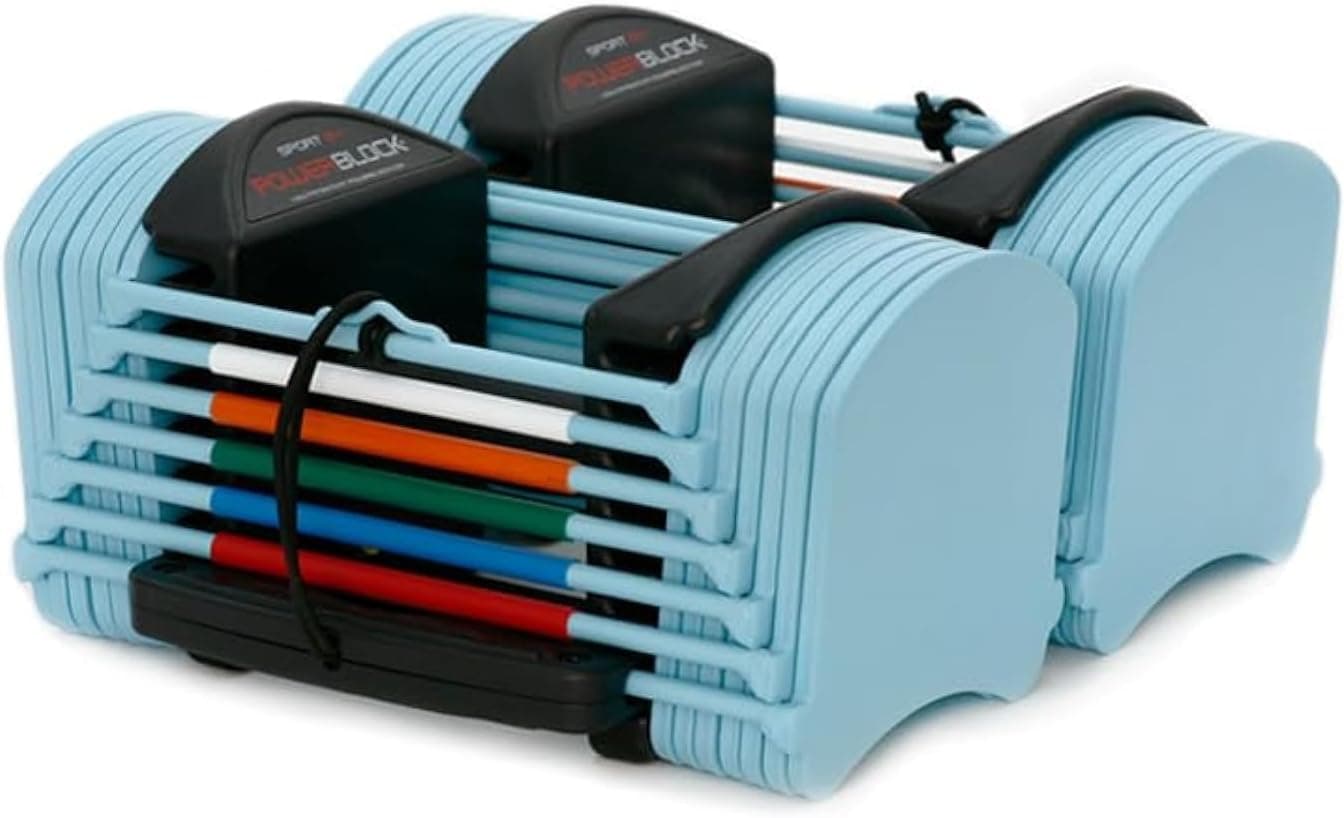
A single pair of adjustable dumbbells is arguably the most complete piece of strength equipment you can own in a small space. With nothing else, you can train every major muscle group, follow a structured program, and make progress for years. The key is knowing how to organize dumbbell movements into a coherent plan rather than doing random exercises, so that every session covers what it should and your effort compounds over time.
Every effective strength program is built from a handful of fundamental movement patterns, and dumbbells cover all of them. You push, with presses overhead and in front of the chest. You pull, with rows. You squat, holding the dumbbells for load. You hinge at the hips, with dumbbell deadlifts and Romanian deadlifts. And you carry and stabilize, with loaded carries and core work. A plan that hits each of these patterns regularly is a complete plan, and dumbbells alone provide them all.
For most people in a small space, a full-body plan three times a week is the simplest and most effective structure. Each session includes a squat or lunge, a hinge, an upper-body push, an upper-body pull, and a core movement. Because you train the whole body each time, missing a session now and then does little harm, and you never go a full week without working any muscle. Three full-body days with a rest day between them fits busy lives and small spaces beautifully.
As you get more advanced or want to train more often, an upper-lower split gives you more volume per muscle group. On upper days you focus on presses, rows, curls, and shoulder work; on lower days you focus on squats, lunges, and hinges, with core work on both. Four days a week, alternating upper and lower, lets you push each area harder while still recovering. This split still needs only your dumbbells and a bit of floor, so the space demand does not change.
Progression is what turns a workout into a program, and with dumbbells you have several levers. The most obvious is adding weight, which adjustable dumbbells make easy in small increments. But you can also add reps, add sets, slow the tempo of each rep, shorten your rest periods, or move to harder single-limb variations like split squats and single-arm presses. When the weight jumps feel too big, these other levers let you keep progressing smoothly between them.
Single-limb training deserves emphasis for dumbbell-only trainees, because it multiplies what a modest pair of weights can do. A split squat or a single-leg deadlift loads one leg with the same dumbbells that would be too light for both, letting you challenge strong lower-body muscles without needing heavy loads. Single-arm rows and presses do the same for the upper body while also building core stability and correcting side-to-side imbalances. Using one limb at a time stretches the usefulness of any dumbbell set.
The practical takeaway is that dumbbell-only training is not a stopgap until you can afford more; it is a legitimate, complete approach that many people happily follow forever. Pick a full-body plan if you train two or three times a week and an upper-lower split if you train four, cover every movement pattern, and progress through weight, reps, tempo, and single-limb variations. Do that consistently with one pair of adjustable dumbbells and a small patch of floor, and you will build strength and muscle that rival anything a crowded commercial gym could give you.