Building a Home Gym on a Tight Budget
As an Amazon Associate I earn from qualifying purchases.
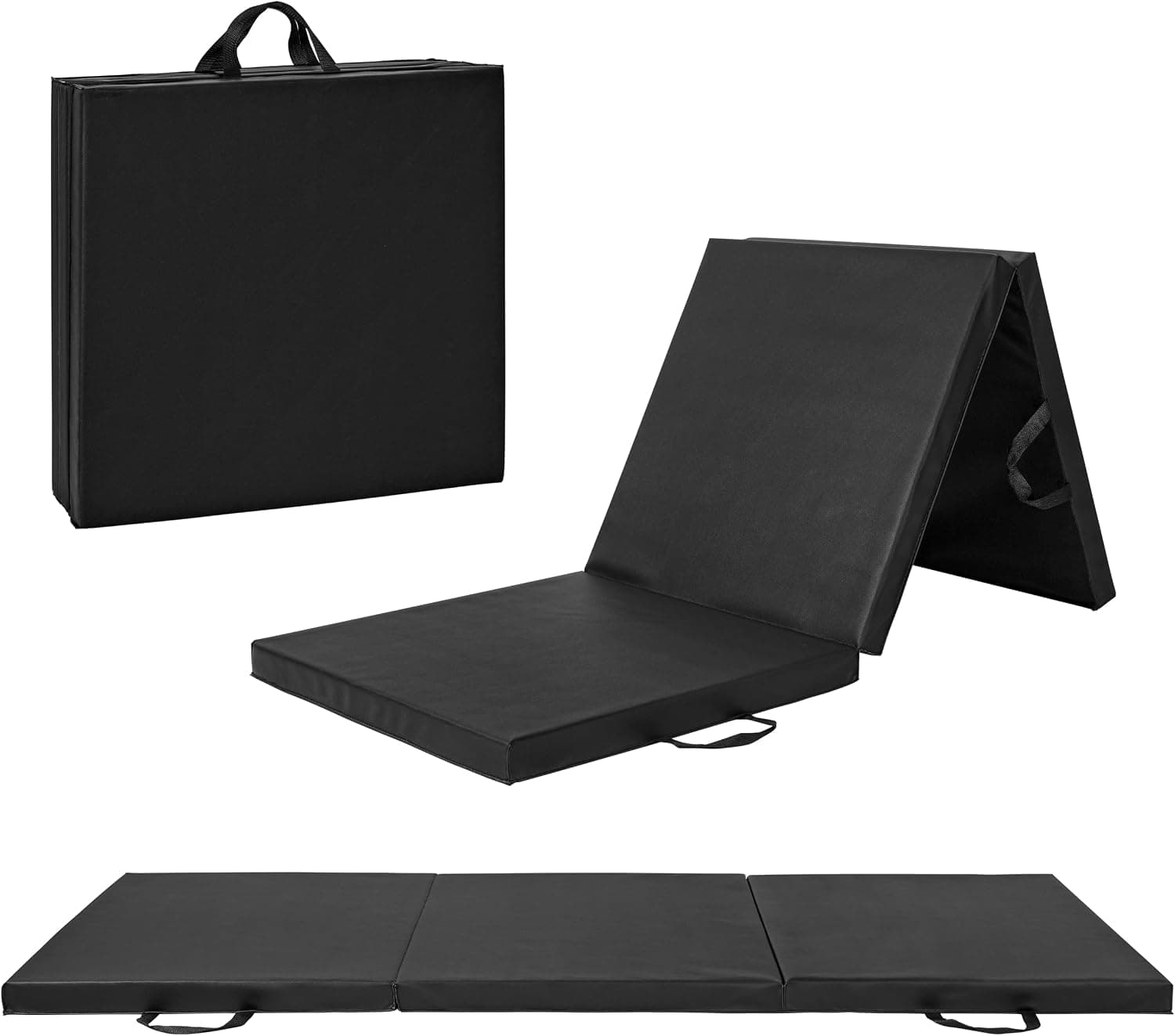
Start free with bodyweight training, which builds genuine strength and lets you prove you'll actually use a home gym before spending anything. Resistance bands offer the best value for the next purchase, covering pulling, pressing, and assistance work for very little money. Adjustable dumbbells are the next priority, worth spending a bit more on, and buying them secondhand is one of the smartest budget moves since weights do not wear out. Skip expensive cardio machines and single-function gadgets. A complete budget gym is just bodyweight, bands, dumbbells, and a mat. The fitness industry is very good at convincing people that getting in shape requires expensive equipment, but the truth is that an effective home gym can be built for a small fraction of a single year of commercial gym membership. The secret is spending on the few things that deliver real training value and ignoring the rest. A tight budget forces exactly the kind of focus that produces a lean, effective setup rather than a cluttered, expensive one.
Start with the most budget-friendly equipment of all: your body
The most budget-friendly equipment of all is your own body, and it should be the foundation of any cheap home gym. Push-ups, squats, lunges, planks, and their many variations cost nothing and build genuine strength and conditioning. Before spending a single euro, you can train productively for weeks or months on bodyweight alone, which also lets you build the habit and prove to yourself that you will actually use a home gym before you invest in one. Starting free removes all risk from the decision.
Resistance bands offer the best value in fitness
When you do spend, resistance bands offer the best value in fitness. For the price of a couple of coffees you get a tool that covers pulling, pressing, and assistance work, weighs almost nothing, and stores in a drawer. Bands punch far above their price in versatility, and they are the natural first purchase for a budget home gym. A good set of bands plus your bodyweight already constitutes a more complete gym than many people realize.
Adjustable dumbbells are the next priority purchase
The next priority purchase is a pair of adjustable dumbbells, and this is where it is worth spending a little more rather than buying the very cheapest option. Dumbbells are the backbone of home strength training, and a decent adjustable pair replaces an entire rack while lasting for years. On a tight budget you can also find dumbbells secondhand, since weights do not wear out and used ones cost far less than new. Buying used weight is one of the smartest budget moves available.
Secondhand and improvised equipment stretch the budget further
Secondhand and improvised equipment stretch a small budget remarkably far. Weights, benches, and bars hold their function indefinitely, so the used market is full of perfectly good gear at a steep discount from people clearing out abandoned home gyms. Beyond that, everyday objects substitute for equipment in a pinch: a sturdy chair for step-ups and dips, a loaded backpack for added resistance, a filled water container as a makeshift weight. Creativity replaces a lot of spending.
Knowing where not to spend matters just as much
Knowing where not to spend is as important as knowing where to spend. Expensive cardio machines, single-function gadgets, and anything sold with breathless marketing claims are usually poor value for a budget builder. You do not need a treadmill when bodyweight intervals and a jump rope deliver the same cardio for almost nothing. You do not need a machine for every muscle when dumbbells and bands cover them all. Skipping these keeps your money focused on the few genuinely versatile tools.
The complete budget home gym is short and cheap
The complete budget home gym, then, is short and cheap: your bodyweight, a set of resistance bands, a pair of adjustable dumbbells bought new or used, and a mat to protect the floor and define your space. That handful of items, costing far less than most people expect, covers strength, cardio, and mobility for years of training. The tight budget turns out to be a hidden advantage, because it strips the home gym down to exactly what works and nothing that does not.
Frequently asked questions
Can you build a home gym for free or nearly free? Yes. Bodyweight exercises like push-ups, squats, lunges, and planks cost nothing and build genuine strength, letting you train productively for weeks before spending any money.
What is the best value fitness equipment on a tight budget? Resistance bands, which cost very little, weigh almost nothing, and cover pulling, pressing, and assistance work, making them the natural first purchase for a budget home gym.
Is it worth buying secondhand dumbbells? Yes. Weights do not wear out, so used dumbbells cost far less than new ones and are one of the smartest budget moves for building a home gym.
What equipment should I skip when building a home gym on a budget? Expensive cardio machines and single-function gadgets, since bodyweight intervals and a jump rope deliver similar cardio benefit for almost no cost.