How to Build a Home Gym in a Small Apartment
As an Amazon Associate I earn from qualifying purchases.
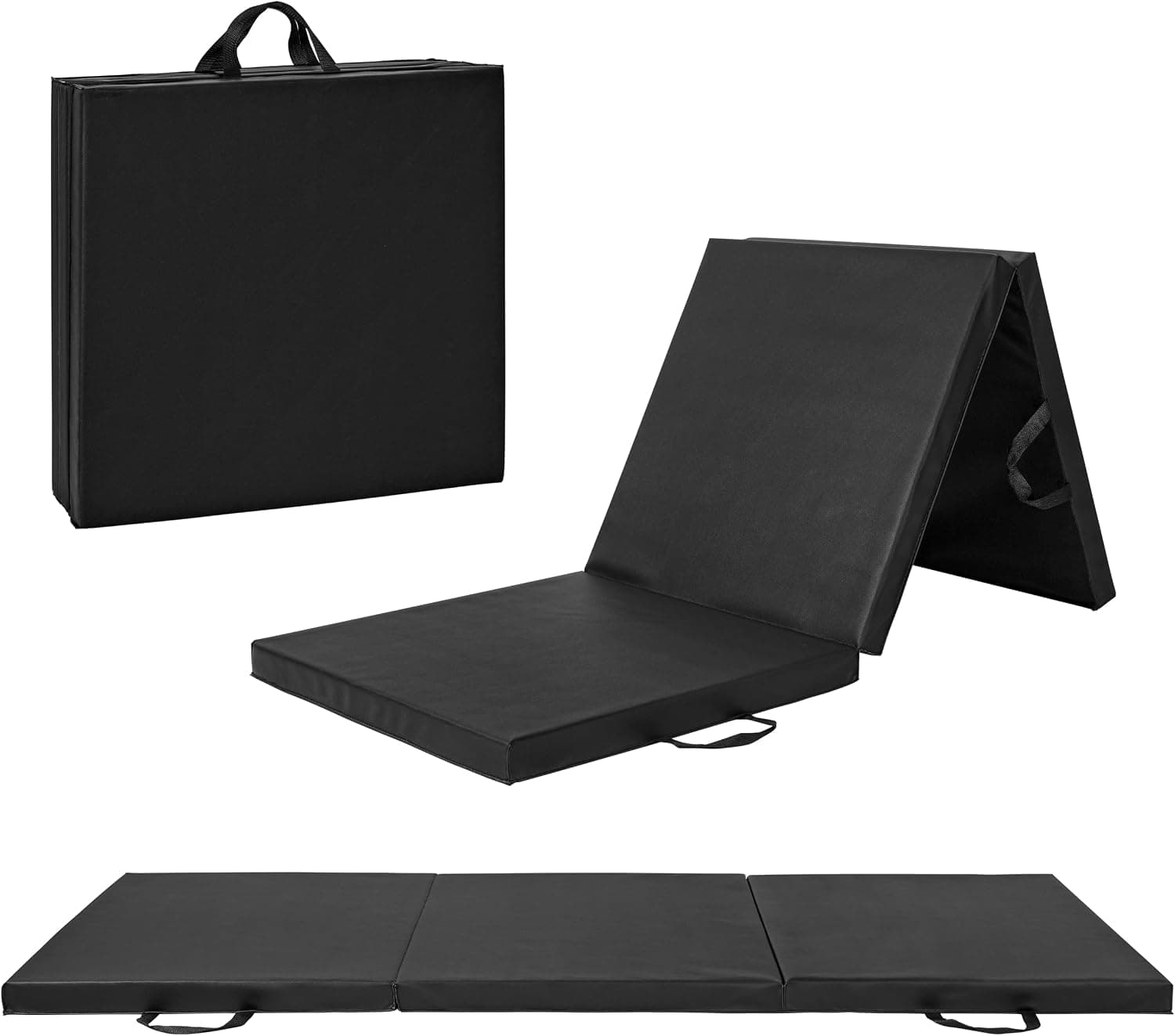
The biggest myth about home gyms is that you need a spare room. You do not. A functional strength and conditioning setup fits into a corner of a studio, the foot of a bed, or a stretch of hallway wall. What matters is choosing equipment that earns its footprint and arranging it so your apartment still feels like a home rather than a storage unit.
Start by measuring your actual usable floor area, not the whole room. You want a clear rectangle roughly the size of a yoga mat plus a little swing room on each side, about two meters by one meter. Stand in it, reach overhead, lunge forward, and swing your arms sideways. If nothing hits a wall, a lamp, or the coffee table, that is your training zone. Everything else in your plan should serve that space rather than compete with it.
Next, prioritize equipment by versatility per square centimeter. A single pair of adjustable dumbbells replaces an entire rack. A set of resistance bands weighs less than a book and covers pulling, pressing, and assistance work. A folding bench unlocks presses, rows, and step-ups, then tucks flat against a wall. These three items alone cover most of what a beginner or intermediate lifter needs for a year or more of progress. Resist the urge to buy a machine that does one thing well and everything else poorly.
Flooring is the quiet hero of an apartment gym. Interlocking foam tiles or a dense rubber mat protect the floor, dampen the thud of dropped weights, and give you a defined visual boundary for your zone. In rentals this matters twice over, because a scratched or dented floor can cost you a deposit. Lay the mat first, then build the rest of the setup on top of it, so the protective layer becomes the foundation of the whole space.
Storage decides whether the gym survives past week two. Gear left on the floor becomes clutter, and clutter is what makes people quit. Think vertically and use dead space: a slim shelf for dumbbells, wall hooks for bands, and the gap under the bed for the mat and bench. If every item has a home you can reach in three seconds, you will actually train. If putting things away is a chore, you will stop.
Be realistic about noise from the start, especially if you have neighbors below. Skip explosive jumps and dropped weights in favor of controlled tempo work, and lower weights rather than letting them fall. A thick mat plus deliberate movement keeps you on good terms with the people around you, and good terms mean you can train early or late without a second thought.
Finally, treat the build as iterative rather than a single shopping spree. Buy the mat, the bands, and one pair of adjustable dumbbells, then train for a month before adding anything. Real training reveals what you actually reach for, and you will spend far less money and floor space adding gear you have proven you need than trying to predict it all in advance. A small apartment gym that you use beats a large one that you resent stepping around.