Apartment-Friendly HIIT Without the Jumping
As an Amazon Associate I earn from qualifying purchases.
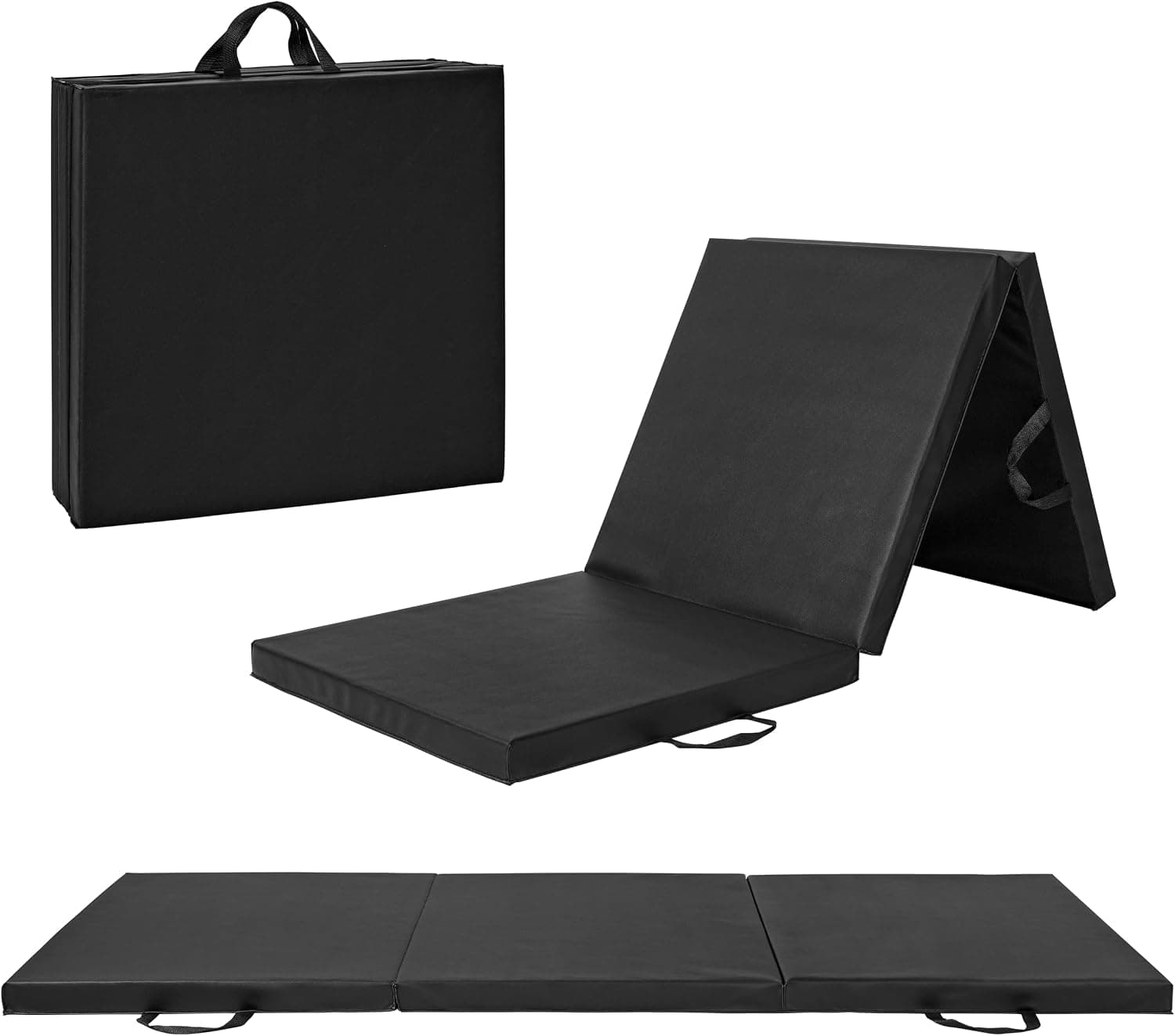
High-intensity interval training is one of the most efficient ways to get fit, which is exactly why it is so frustrating that the standard version is built around burpees, jump squats, and other floor-pounding movements. In an apartment, that noise is a problem. The solution is not to abandon HIIT but to redesign it, keeping the intensity that makes it work while removing the impact that makes it loud.
The core of HIIT is the interval structure, not any particular exercise. You work hard for a short period, recover for a short period, and repeat. That structure is what drives the fitness benefit, and it is completely independent of whether your feet leave the ground. Once you separate the method from the noisy movements traditionally used to fill it, you can plug in quiet alternatives and lose nothing.
Every jumping movement has a low-impact twin that raises your heart rate just as effectively. A jump squat becomes a fast bodyweight squat or a squat with a slow, powerful stand. A burpee becomes a squat thrust where you step your feet back and in rather than jumping them. Jumping jacks become half-jacks or arm-driven step-outs. High knees become fast marching in place. In each case you keep the muscular effort and the elevated heart rate while removing the thud.
Resistance adds intensity without adding noise, which makes it a perfect HIIT ingredient in an apartment. Holding a pair of dumbbells during squats and presses, or using a resistance band for fast rows and pushes, raises the difficulty of a movement so you can reach high intensity at a slower, quieter pace. This is often more effective than jumping anyway, because the added load builds strength alongside conditioning rather than just hammering your joints.
Timing is where most apartment HIIT sessions live or die on the noise question. A common and effective structure is forty seconds of hard work followed by twenty seconds of rest, repeated across a handful of movements for several rounds. Because low-impact movements can be sustained smoothly, you can push the work intervals hard without ever slamming into the floor. Keep a mat underneath you to absorb whatever vibration remains, and the person below will hear almost nothing.
Breath and effort, not spectacle, are how you know a session is working. If you are breathing hard, sweating, and counting down the seconds until the rest interval, the workout is doing its job, regardless of how quiet it looks from the outside. Many people are surprised that slow, controlled, loaded intervals leave them more thoroughly worked than a frantic jumping routine, precisely because nothing is wasted on bouncing.
A realistic apartment HIIT plan might rotate through squats, push-ups, banded rows, reverse lunges, and a fast core movement like mountain climbers with controlled feet, all performed at high effort with short rests. Three or four rounds take twenty minutes, fit on a single mat, and make no more noise than someone doing housework. That is the whole promise of apartment-friendly HIIT: the same lungs-burning, sweat-soaked training that everyone praises, delivered in a form your building can live with.