Kettlebell vs Dumbbell for Home Training
As an Amazon Associate I earn from qualifying purchases.
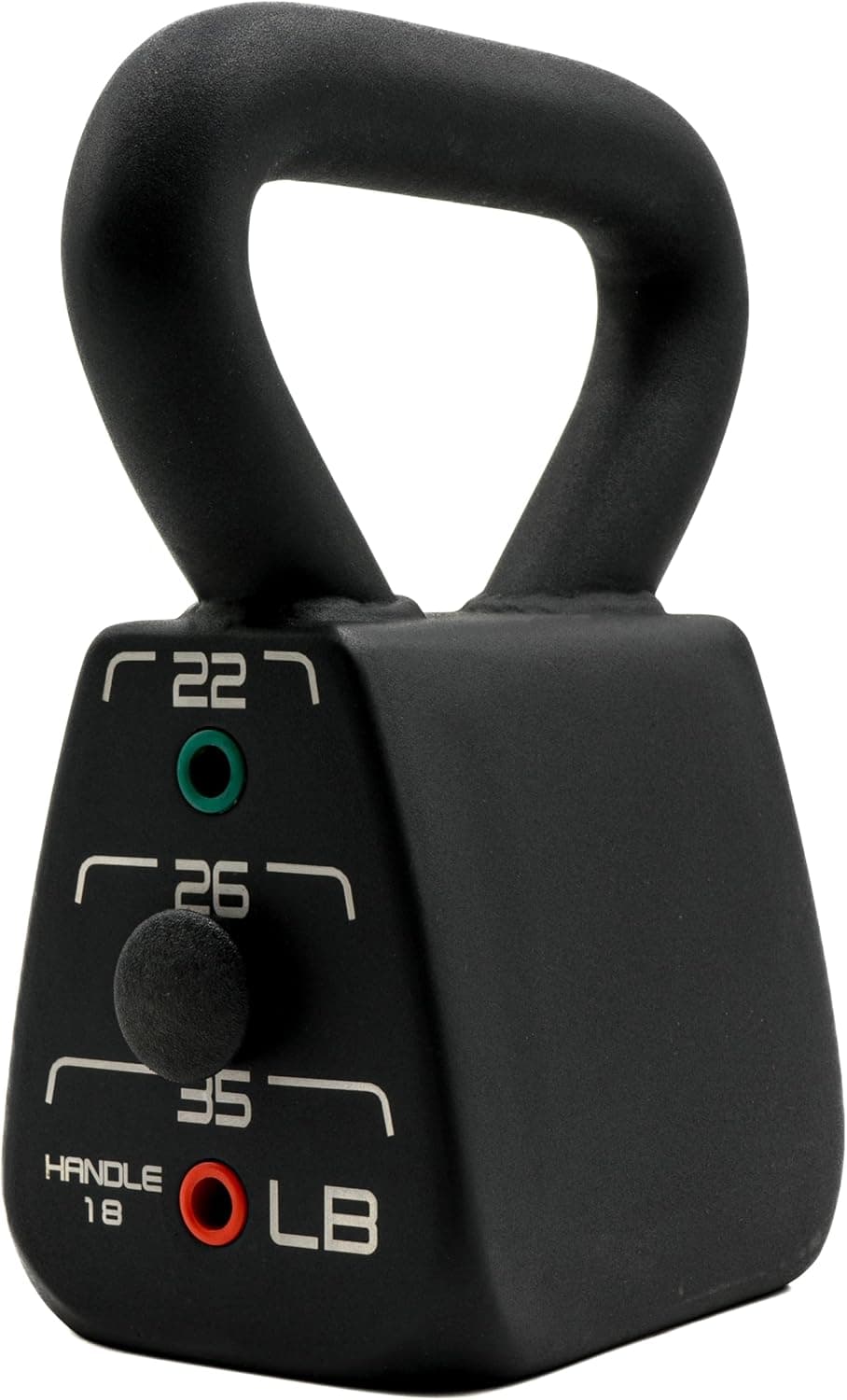
Kettlebells and dumbbells both build strength at home, but they shine at different things. The kettlebell excels at swinging, ballistic movements, while the dumbbell is the more natural choice for controlled pressing and rowing. This guide compares them across movement style, space, and cost so you can decide which one earns the first spot in your compact home gym, or whether you want both.
How Each One Moves
The kettlebell carries its weight below the handle, which makes it ideal for swings, cleans, and snatches where momentum matters. That offset load also challenges your grip and core in ways a symmetrical weight does not.
The dumbbell keeps its weight balanced on either side of the handle, so it feels stable and predictable for presses, rows, and curls. If your goal is straightforward strength work with clean mechanics, the dumbbell is the more intuitive starting point.
Space and Storage
Both tools have adjustable versions that collapse a full weight range into one compact unit, which is a game changer for apartments. Instead of a rack of fixed weights lining a wall, you keep a single kettlebell or a single pair of dumbbells on a shelf.
If floor space is your tightest constraint, an adjustable kettlebell gives you a wide load range in one small footprint. It sits in a corner and disappears until you need it, which is exactly what small-space training calls for.
Cost and Value Over Time
A single adjustable tool costs more upfront than one fixed weight but far less than buying the whole range separately. For most home trainers, that trade favors the adjustable version once you account for how many increments you would otherwise need.
If you are building slowly, resistance bands can bridge the gap while you save. They add scalable load to bodyweight movements and complement whichever weight you eventually choose, all for very little money.
Matching the Tool to Your Goals
If you enjoy dynamic, conditioning-heavy training with swings and flows, the kettlebell will keep you engaged and cover cardio at the same time. If you prefer structured strength work with clear progressions, the dumbbell fits that plan more cleanly.
Many home lifters end up wanting both, and that is a reasonable end state. A common path is to start with the tool that matches your main goal, then add the other once your routine and space allow.
Protecting Floors and Yourself
Both tools are dense and heavy, so a dropped weight can damage floors and disturb neighbors. Training over a protective surface absorbs impact, reduces noise, and gives you secure footing for swings and presses.
Rubber flooring is the most durable option for a dedicated lifting corner, standing up to repeated set-downs and the occasional miss. It also keeps the weights from sliding, which matters when you are moving quickly between reps.