How to Work Out Without Disturbing Your Neighbors
As an Amazon Associate I earn from qualifying purchases.
Living above someone changes how you train. Every dropped weight and heavy footfall travels through the floor and into their ceiling. Keeping the peace does not mean giving up your workouts. It means controlling noise at the source with good flooring, quiet gear, and considerate timing. This guide covers the three levers that let you train hard while staying on friendly terms with everyone nearby.
Understand How Noise Travels in Buildings
Workout noise reaches neighbors two ways. Impact noise comes from dropped weights and jumping, sending vibration straight through the structure. Airborne noise comes from machines and music, traveling through gaps and thin walls. Knowing which type you are creating tells you exactly where to focus your effort for the biggest reduction.
Impact noise is usually the real culprit in apartments. A weight dropped from waist height can rattle a whole room below. The fix is to absorb that energy before it enters the floor, which is why flooring and controlled movement matter far more than simply turning your music down a few notches.
Build a Sound-Dampening Floor
Your floor is the first and best defense against complaints. Thick rubber tiles or dense foam mats absorb impact and stop vibration from reaching the structure. For heavier lifting, stack a plywood platform on top of rubber to spread the load and quiet the loudest drops even further.
Layering works better than any single mat. A rubber base under a foam top layer catches both impact and small vibrations, and it stays comfortable underfoot. Cover a generous area, not just a small square, so stray steps and shifting weights always land on cushioning rather than bare floor that transmits every sound.
Choose Genuinely Quiet Equipment
Not all machines are equal on noise. Magnetic resistance bikes and rowers run almost silently compared with fan-based models that roar under effort. Walking pads use quiet motors and soft belts, so daily steps never reach the apartment below. Reading the resistance type before buying saves you from a loud surprise.
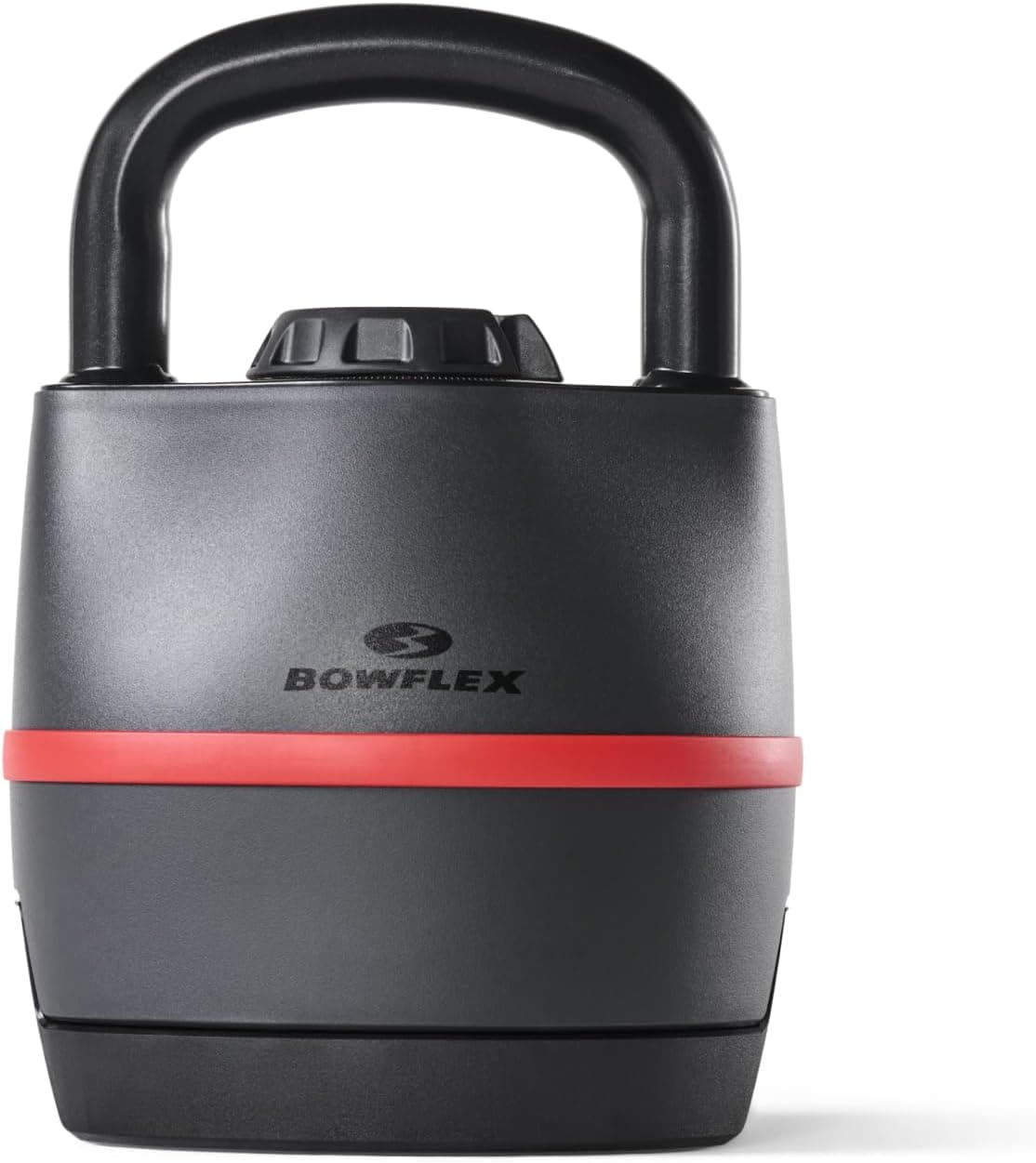
For strength, favor tools that never need dropping. Adjustable dumbbells set down gently, resistance bands make no sound at all, and a stable bench stays quiet under load. Building your gym around inherently silent gear removes most noise problems before they start, leaving only your own movement habits to refine.
Refine Your Movement Habits
How you lift matters as much as what you lift. Lower weights under control instead of dropping them, and keep them close to your body as they reach the floor. Swap jumps for grounded alternatives, and set dumbbells down one at a time rather than letting both crash together at once.
Footwork deserves attention too. Land softly, roll through your feet, and avoid stamping during lunges or step-backs. These small adjustments become automatic within a week and cut your noise footprint dramatically. Quiet technique costs nothing and protects your training more reliably than any single piece of equipment you can buy.
Time Your Sessions Considerately
Timing turns a tolerable noise into a non-issue. Most buildings have quiet hours in the early morning and late evening, so schedule heavier or louder work for the middle of the day when people are out. Save quiet band and core sessions for early or late slots when sound carries further.
A quick chat with your neighbor also goes a long way. Letting them know your usual window and inviting feedback builds goodwill and heads off complaints before they form. Most people are reasonable when they feel considered, and that simple courtesy often matters more than any extra layer of soundproofing material.