How to Soundproof a Home Gym Floor
As an Amazon Associate I earn from qualifying purchases.
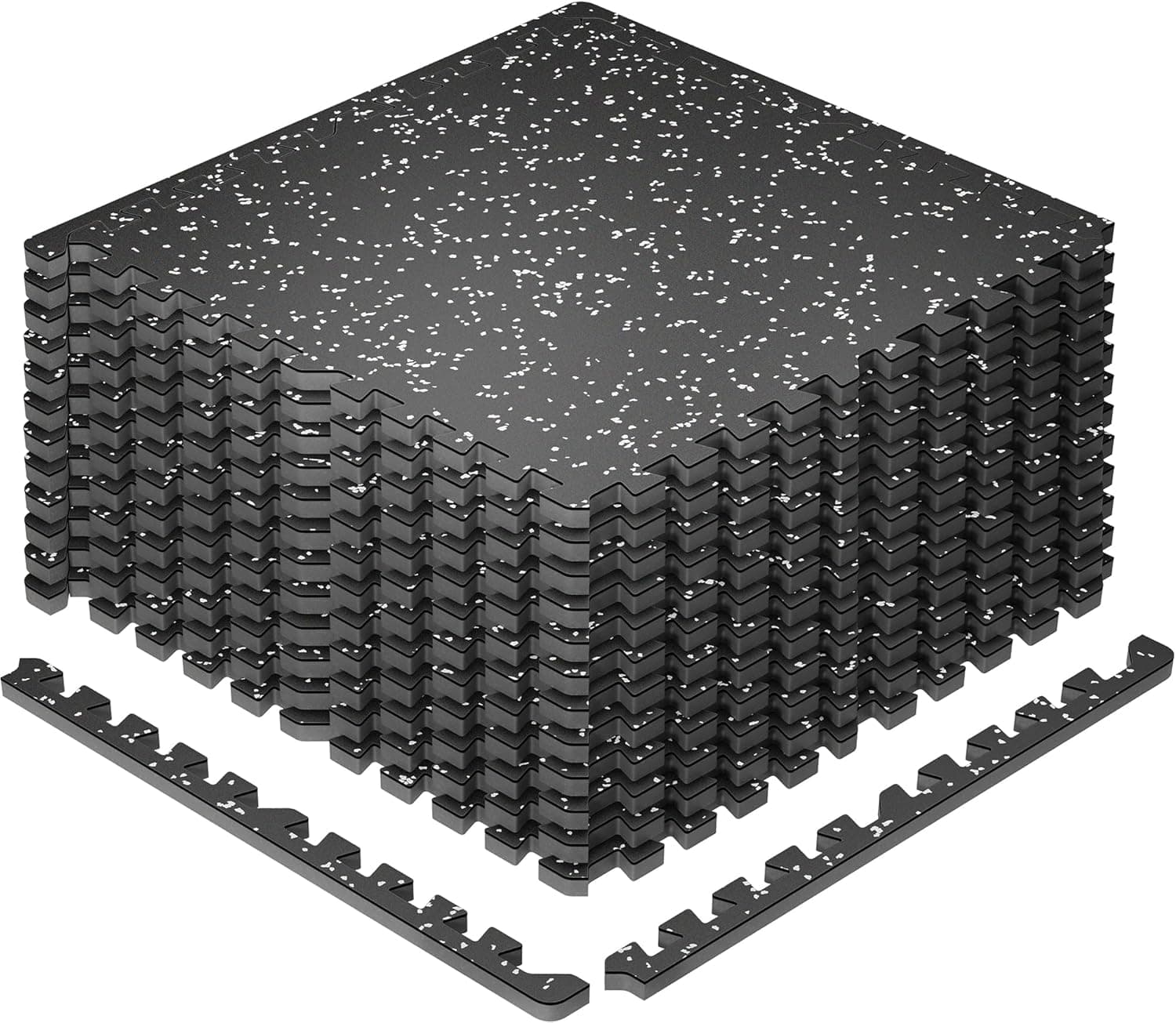
Training in an apartment means every dropped weight and every jump travels straight to the unit below. The good news is that a quiet floor is mostly a matter of layering the right materials in the right order. This guide walks through what actually dampens impact noise, how to build up a floor stack, and where to spend your money first so your workouts stay peaceful.
Understand Impact Noise vs Airborne Noise
Before you buy anything, it helps to know which kind of noise you are fighting. Impact noise is the thud that travels through the building structure when something hits the floor, like a jump landing or a dumbbell being set down. Airborne noise is sound moving through the air, like music or your voice. In a home gym, impact noise is almost always the real problem.
This distinction matters because the fixes are different. Thick, dense mats and decoupling layers absorb impact energy before it reaches the concrete or joists below. Foam panels on the wall do little for the neighbor downstairs. Once you focus on impact, your material choices become much clearer and you stop wasting money on the wrong products.
Build a Layered Floor Stack
A single mat rarely does enough on its own. The most effective approach is a stack: a dense rubber base layer to absorb heavy impact, a foam or cork middle layer to decouple vibration, and a durable top surface you actually train on. Each layer does a different job, and together they cut far more noise than any one product alone.
Start with the base. Rubber is the workhorse here because it is dense and springs back after repeated loading. Aim for enough thickness to handle your heaviest movements, then add lighter layers on top for comfort and grip. If you rearrange your setup later, you can lift and reposition the stack without tearing anything up.
Add a Dedicated Mat for Heavy Equipment
Cardio machines and heavy pieces concentrate weight and vibration onto small contact points, which sends a steady hum through the floor. A dedicated equipment mat under a treadmill or bike spreads that load and isolates the vibration so it does not resonate through the building. It also protects your finished floor from dents and rust marks.
Place the mat so it extends a little beyond the machine footprint on every side. This gives you a buffer for movement and catches sweat and debris. A good mat is one of the cheapest upgrades you can make, and the difference in transmitted noise from a running belt or a spinning flywheel is immediate.
Choose Quiet Equipment Where You Can
Soundproofing the floor helps, but the quietest gym starts with quiet gear. Equipment designed for apartments uses coated weights, smooth mechanisms, and low-impact motion so there is less noise to dampen in the first place. When you cut the source, your floor treatment has far less work to do.
Think about how each piece behaves under load. A machine with a magnetic resistance system or padded contact points will always beat a clanking metal stack in a shared building. Building your collection around quiet-by-design pieces is often more effective than throwing more mats at a loud one.
Test, Adjust, and Talk to Neighbors
Once your floor is built, test it during your real workout, not just a quick tap. Ask someone in the unit below to listen, or record how it sounds from the hallway. You may find that a specific movement, like box jumps or dropping weights, still needs an extra pad or a change in technique. Small tweaks at this stage save a lot of friction later.
It also helps to keep neighbors in the loop. Let them know your typical training hours and ask them to flag anything that still comes through. Most people are reasonable when they know you are actively trying to be considerate, and a quick conversation can head off complaints before they start.