How to Quiet Your Home Gym for Good
As an Amazon Associate I earn from qualifying purchases.
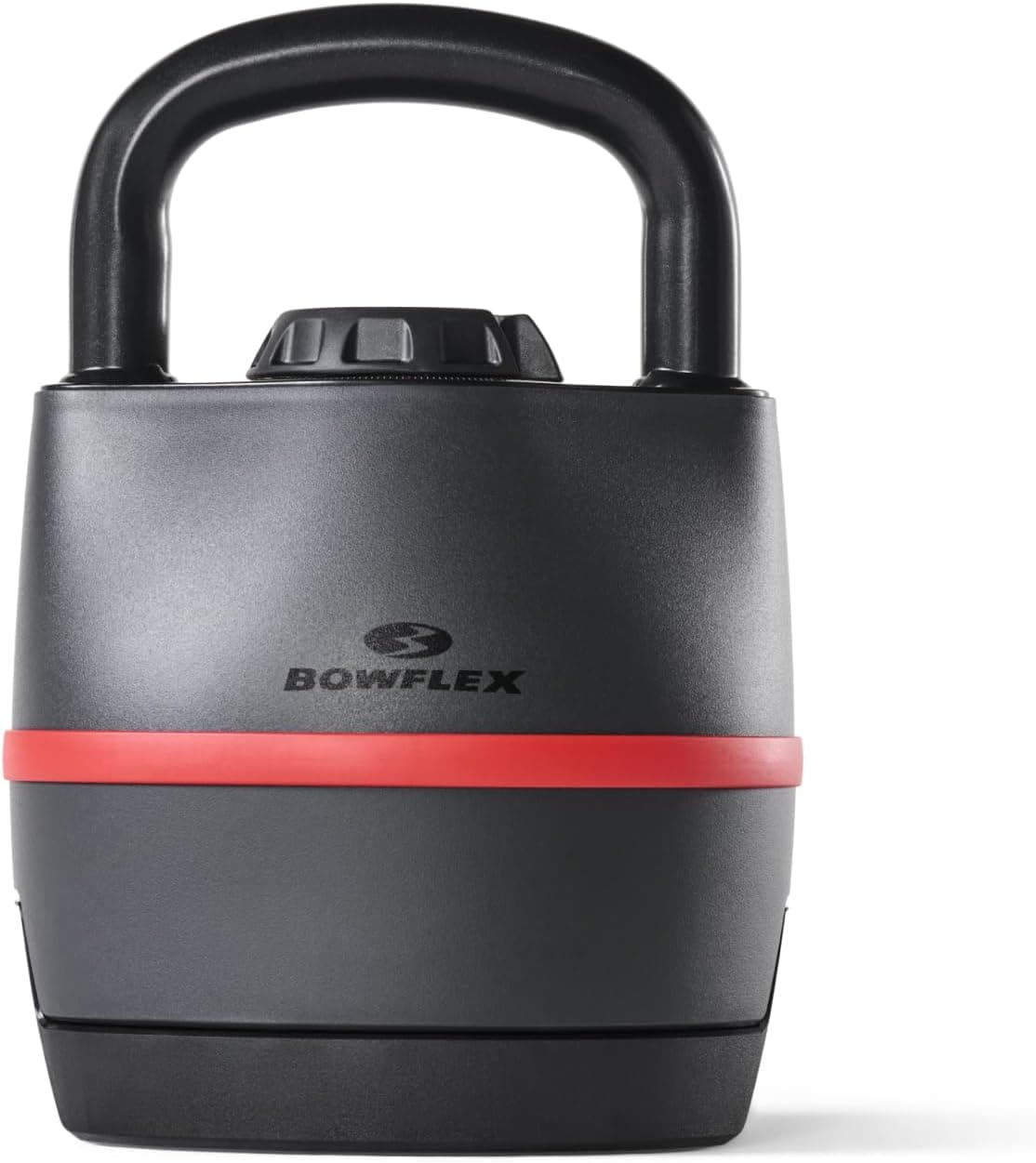
Noise is the number one reason apartment workouts get cut short. A single dropped plate can end your training freedom fast, since one complaint turns a landlord against the whole idea. The good news is that quiet training comes down to three levers you fully control. Get your flooring, your gear, and your technique right and you can lift at midnight without a single knock on the wall.
Start With the Floor
Most gym noise is not sound in the air, it is vibration passing through the floor into the building structure. A dense mat under your training zone breaks that path before it reaches the joists below.
Layer a firm rubber base with a softer top sheet for the best result. This combination absorbs the impact of footsteps and dropped weights, which is exactly the low frequency thud that travels furthest through a building.
Choose Inherently Quiet Equipment
Some gear is loud by design and no mat will fully fix it. Belt drive machines, sealed resistance systems, and coated weights run far quieter than chain driven or steel on steel alternatives.
When you shop, treat noise as a spec that matters as much as size. Picking quiet equipment from the start saves you from stacking mats and towels around a machine that was never built for a shared wall.
The Quietest Cardio Options
Cardio is often the worst offender because it runs for long stretches. A magnetic resistance bike hums instead of clatters, so you can ride hard without a rattle carrying into the next room.
Look for a heavy, well balanced flywheel and a belt drive. These features keep the ride smooth at speed, which means no vibration spikes when you push into a sprint or climb out of the saddle.
Quiet Cardio You Can Hide
A walking pad is one of the quietest ways to log steps indoors, since a slow belt produces almost no impact noise. It slides under a couch or desk when you are done.
Pair it with a standing desk and you get movement through the workday without any thud. Keep the speed in the walking range and the only sound is the soft whir of the motor.
Fix Your Technique
How you handle weights matters as much as the weights themselves. Lowering dumbbells under control instead of dropping them removes the single loudest event in most home sessions.
Adjustable dumbbells with a solid locking mechanism help here, because loose plates rattle on every rep. Set them down on a mat, never bare floor, and your neighbors will forget the gym is even there.