How to Build a Home Gym in a Small Apartment
As an Amazon Associate I earn from qualifying purchases.
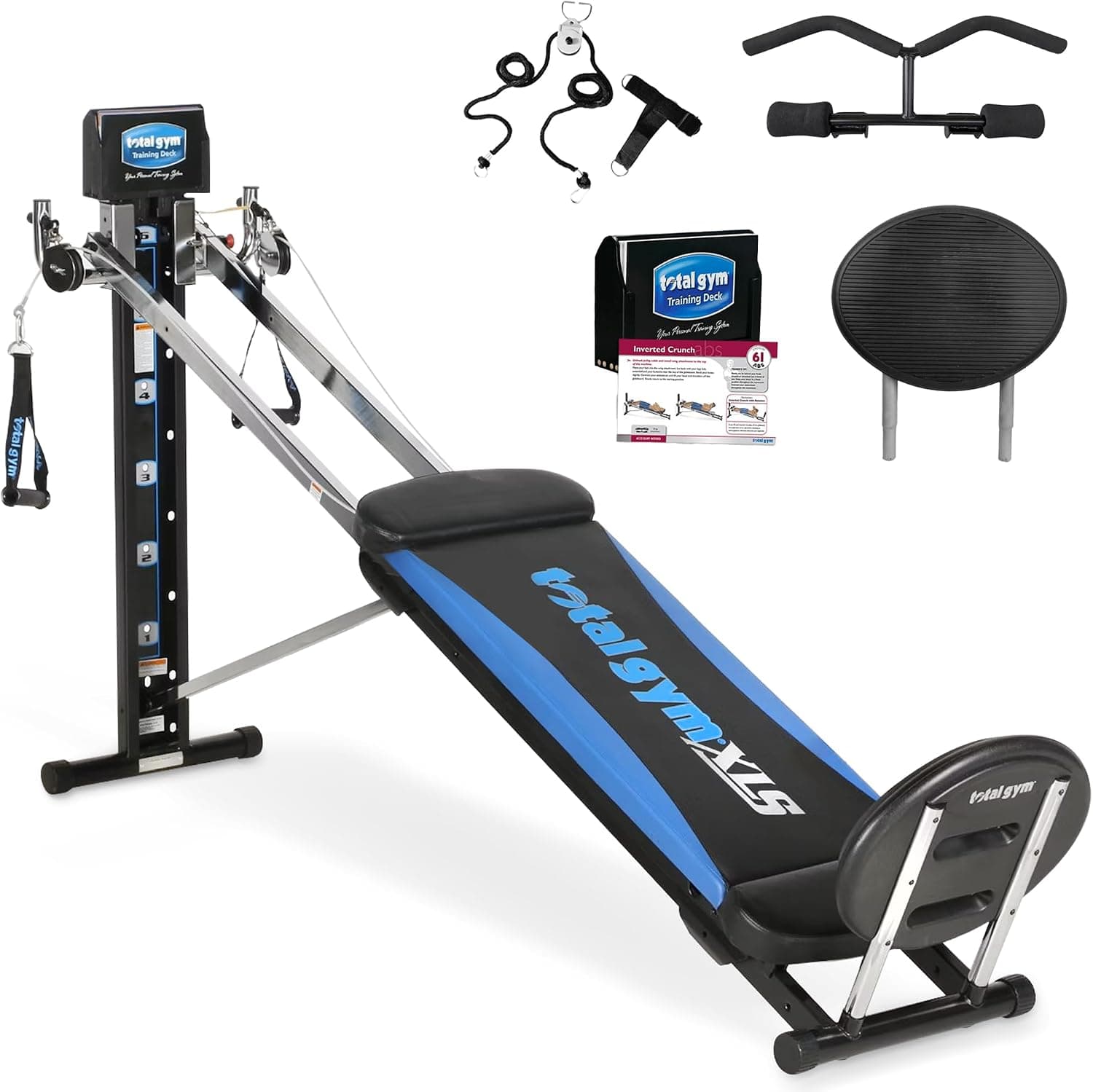
Building a home gym in a small apartment feels impossible until you plan it properly. You do not need a spare room or expensive machines. You need a clear corner, a short list of versatile tools, and a sense of your real training priorities. This guide walks through measuring your space, choosing gear that folds or stacks away, and spending your budget where it actually counts for long-term results.
Start by Measuring Your Real Usable Space
Before buying anything, measure the floor area you can realistically train in. Most apartment workouts need a footprint roughly the size of a yoga mat plus room to extend your arms overhead. Mark that zone with tape and stand inside it. If your fingertips hit furniture, you know the true limit before a single box arrives at your door.
Ceiling height matters as much as floor space. Overhead presses, jump variations, and standing rows all need vertical clearance. Reach up on your toes and note the gap. Low ceilings push you toward seated and horizontal movements, which quietly reshapes the equipment list you should be building toward from the very start.
Choose Multi-Purpose Equipment First
In a small space, every item must earn its footprint by doing several jobs. Adjustable dumbbells replace a whole rack of fixed weights, and a set of resistance bands covers pulls, presses, and assistance work. Prioritize tools that collapse a full gym into one tidy corner rather than single-use machines that dominate a room.
Think in movement patterns, not muscles. One good pair of adjustable dumbbells plus bands lets you squat, hinge, push, pull, and carry. That combination trains your entire body while stacking into a closet. Buying for patterns keeps your kit small, your options wide, and your apartment feeling like a home instead of a warehouse.
Protect Your Floor and Your Downstairs Neighbors
Flooring is the unglamorous purchase that saves your deposit and your relationships. Interlocking foam tiles or thick rubber mats absorb dropped weights, cushion joints, and dampen the thud that travels through a building. Lay them under your training zone before the first session, not after your neighbor knocks on your door.
A good mat also defines your gym psychologically. Stepping onto it signals training time, which helps consistency in a space that doubles as a living room. Choose a surface dense enough to stay flat under load and easy to wipe down, so it stays inviting week after week.
Add a Compact Cardio Option
Cardio is where apartments get tricky, since running machines are large and loud. A folding treadmill or a slim walking pad slides under a bed or sofa and gives you steady conditioning without a dedicated room. For quieter sessions, a magnetic resistance bike hums along without disturbing anyone nearby.
Match your cardio to your building and your goals. If you mostly want easy daily movement, a walking pad under a standing desk wins. If you want structured intervals, a compact bike or rower gives more intensity in the same footprint. Pick one, use it often, and skip the rest for now.
Build a Simple Recovery and Storage System
Recovery tools take almost no space and keep you training pain-free. A foam roller and a compact massage gun handle tight muscles after sessions, and both tuck into a basket beside your mat. Small daily maintenance prevents the aches that otherwise make you skip workouts and lose momentum.
Storage is the final piece that makes a tiny gym livable. A narrow shelf, a wall hook, or a lidded bin keeps bands, weights, and mats out of sight between sessions. When your gear disappears in seconds, the space stays a home first, which is exactly what keeps a small-apartment setup sustainable.