Home Gym Setup Mistakes to Avoid
As an Amazon Associate I earn from qualifying purchases.
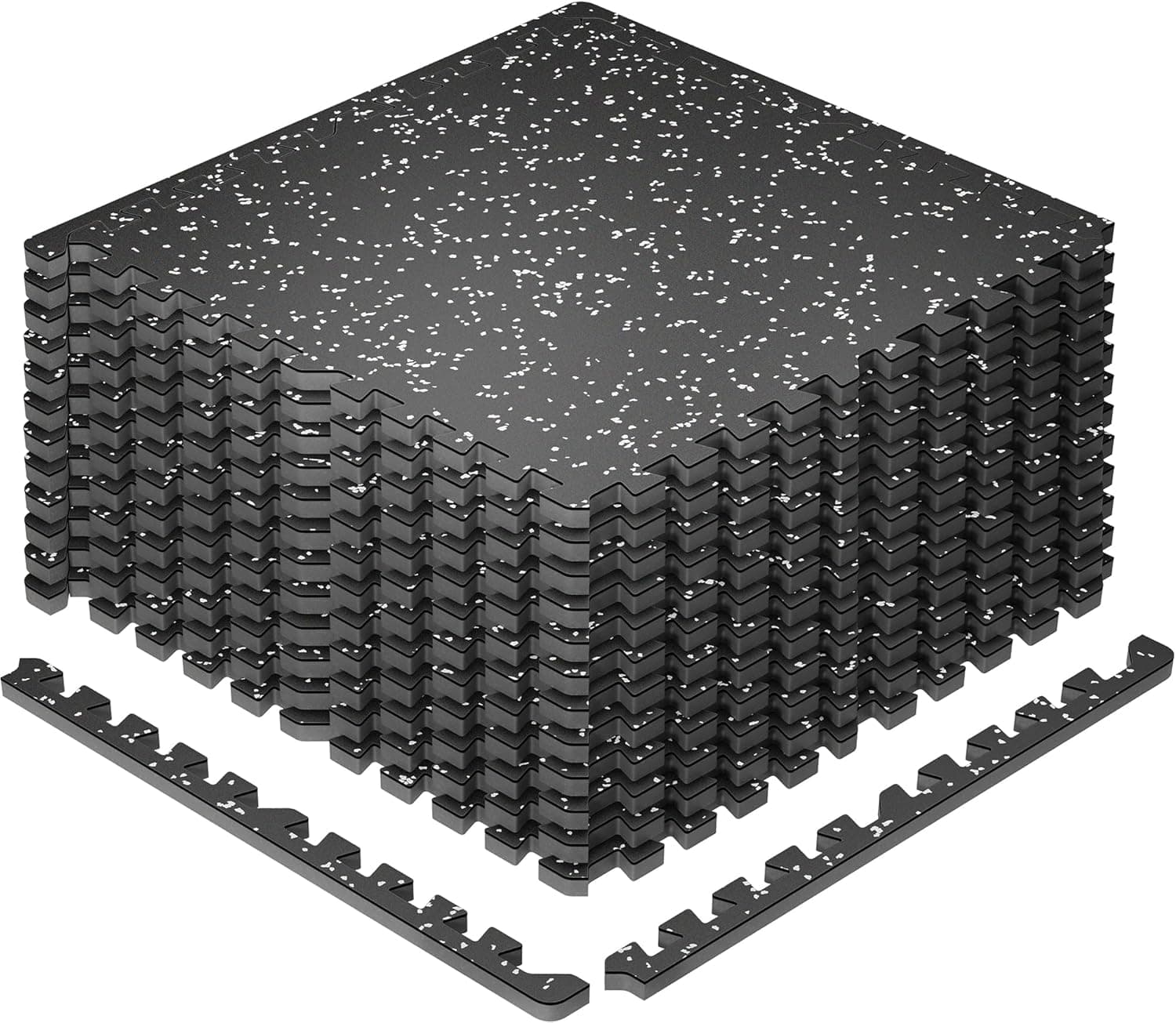
Building a home gym in a small apartment is easy to get wrong. People overspend on bulky machines, forget about noise, or ignore the floor until it is scratched. A little planning avoids the traps that leave equipment gathering dust in a corner. This guide covers the setup mistakes that trip up most beginners and how to sidestep each one from the start.
Skipping the Floor Protection
One of the most common regrets is training directly on bare floors. Weights dent hardwood, machines scratch laminate, and sweat can warp or stain the surface over time. In a rental, that damage can cost you part of your deposit, and in an owned home it lowers the value of the space.
Proper flooring is not just about protecting the surface, it also protects you and cuts noise. A good rubber or foam base absorbs impact, gives you grip, and dampens the sound that travels to neighbors. Laying it down before you bring in equipment is far easier than working around machines later.
Buying Bulky Equipment You Cannot Store
It is tempting to buy the biggest, most capable machine you can afford, but in a small apartment size is a real constraint. A large treadmill or a full rack can swallow a room and make the space feel cramped and unwelcoming. Equipment you resent tripping over is equipment you stop using.
Prioritize pieces that fold, stand on end, or tuck away when not in use. A compact rower or a set of adjustable weights gives you a huge range of training in a fraction of the footprint. Measure your space honestly and plan storage before you buy, not after the box arrives.
Ignoring Noise Until Neighbors Complain
Many people set up their gym, start training, and only think about noise once a neighbor knocks on the door. By then you may have already bought loud equipment and built bad habits. Noise is much easier to design out at the start than to retrofit after complaints begin.
Choose quiet-by-design gear, avoid dropping weights, and add dampening under anything that vibrates. If you live above someone, treat quiet operation as a core requirement, not an afterthought. A considerate setup keeps the peace and lets you train whenever your schedule allows.
Neglecting Recovery and Mobility
Beginners tend to load up on cardio and strength gear while completely ignoring recovery. Skipping mobility work leads to stiffness, poor movement, and a higher chance of tweaking something, all of which stall your progress. A gym without recovery tools is only half a gym.
You do not need much: a quality mat, a foam roller, and a little floor space go a long way. Building short mobility sessions into your week keeps you moving well and training consistently. It is a small investment that protects the bigger one you made in equipment.
Overspending Before You Know Your Habits
It is easy to drop a lot of money on a dream setup before you know what you will actually use. Many people buy specialized gear for workouts they end up skipping, then feel guilty every time they see it. Your real routine often looks different from the one you imagined.
Start lean with versatile, affordable pieces that cover the basics, then add specialized gear once you know your habits. A budget starter setup lets you build the training habit first and spend on upgrades that you have earned through consistency. You can always expand once you know what sticks.