Conditioning Workouts for Small Spaces
As an Amazon Associate I earn from qualifying purchases.
Conditioning does not require a big box gym or a lot of room. With a handful of compact tools and the right circuits, you can build a strong engine in the footprint of a single mat. The key is choosing movements that hit hard without needing space to spread out or making noise that upsets the neighbors. Here is how to build effective conditioning at home.
Anchor Sessions with a Compact Tool
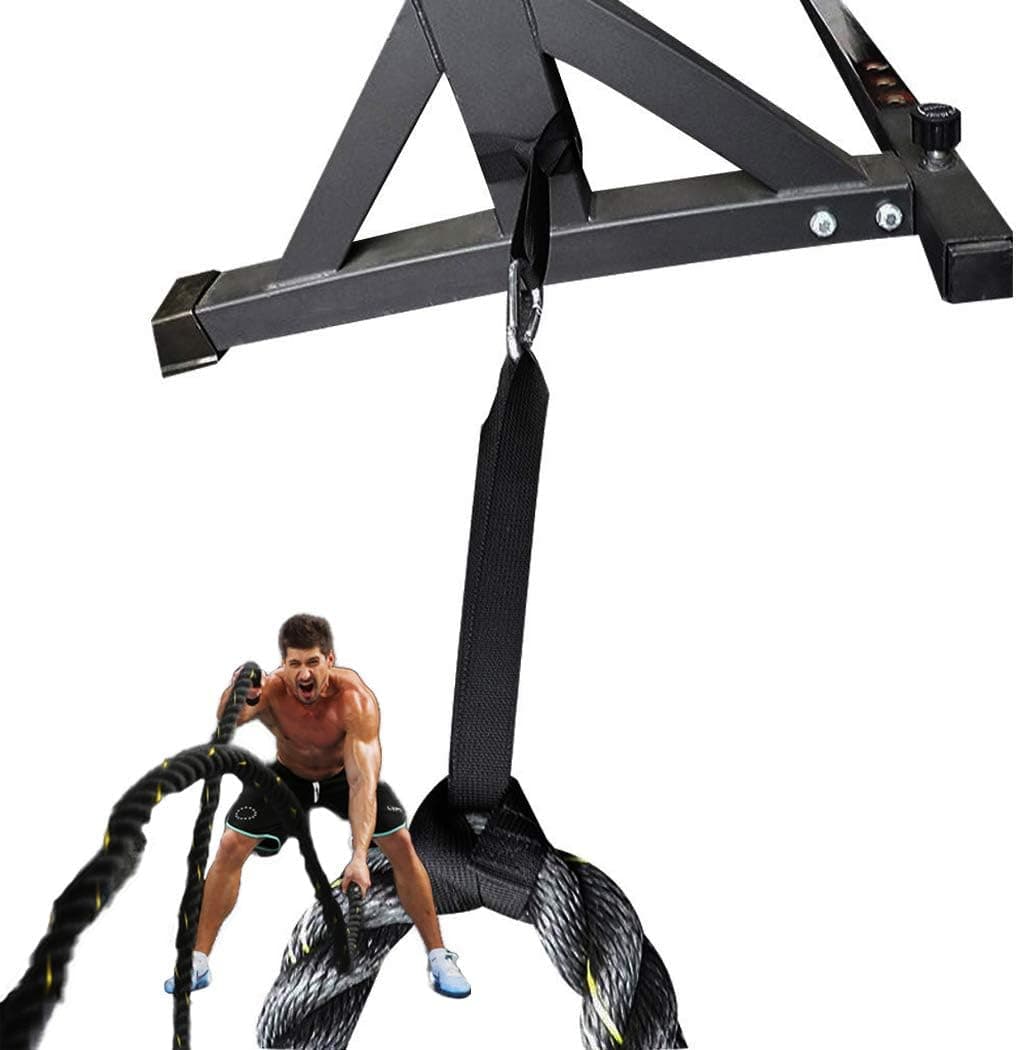
Every good conditioning setup needs one or two anchor pieces that deliver a big effect in a small footprint. Battle ropes are ideal because they store rolled up and turn short bursts of effort into a full-body burn. Anchored in a doorway or around a heavy leg, a shorter set works even in a tight room.
The value of an anchor tool is that it gives your sessions structure. You can build entire circuits around wave and slam variations, adjusting intensity by changing speed and duration. It is a low-cost, low-space way to raise your heart rate fast and hit your arms, core, and back all at once.
Use Plyo Work for Explosive Power
Plyometric training builds explosive power and spikes your heart rate with very little equipment. A single plyo box lets you do step-ups, jumps, and elevated pushups, covering a huge range of conditioning movements from one piece of gear. It tucks against a wall when you are done.
In an apartment, favor step-ups and controlled landings over max-height leaps to keep noise and joint stress down. Even without jumping, an elevated surface makes many bodyweight moves harder and more effective. A sturdy box is a versatile anchor for any small-space conditioning routine.
Add Ballistic Work with a Medicine Ball
A medicine ball adds a ballistic element that bodyweight moves cannot match. Slams, throws against a wall, and rotational tosses train power and conditioning while engaging your core through every rep. It is a compact tool that stores in a corner and works for endless variations.
Ballistic movements are efficient because they demand full-body coordination and effort. A few rounds of slams alone will have you breathing hard, and adding rotational work builds the kind of core strength that carries over to everything else. It pairs well with rope and plyo work in a rotating circuit.
Keep Impact and Noise Low
Conditioning tends to be the loudest kind of training, which is a real concern in a shared building. Jumps, slams, and fast footwork all send impact into the floor. Choosing low-impact variations and cushioning your surface lets you go hard without the thud reaching the neighbors below.
A dense mat or flooring layer under your conditioning zone absorbs a lot of that energy. Combine it with softer landings and controlled movements, and you can train intensely at almost any hour. Planning for noise from the start means you never have to hold back mid-session.
Structure Circuits for Maximum Effect
The real value of small-space conditioning is in how you structure your work. Alternating hard efforts with short rest, or rotating through a few stations, keeps your heart rate high and packs a lot of training into a short window. You do not need more space, just a smart plan.
Try cycling through a rope burst, a set of step-ups, and a round of slams, then resting briefly before repeating. This kind of circuit hits your whole body and builds a strong engine in a short, focused window. Rotating your tools keeps it fresh and stops any single area from being overworked.