How Much Space Do You Need for a Home Gym
As an Amazon Associate I earn from qualifying purchases.
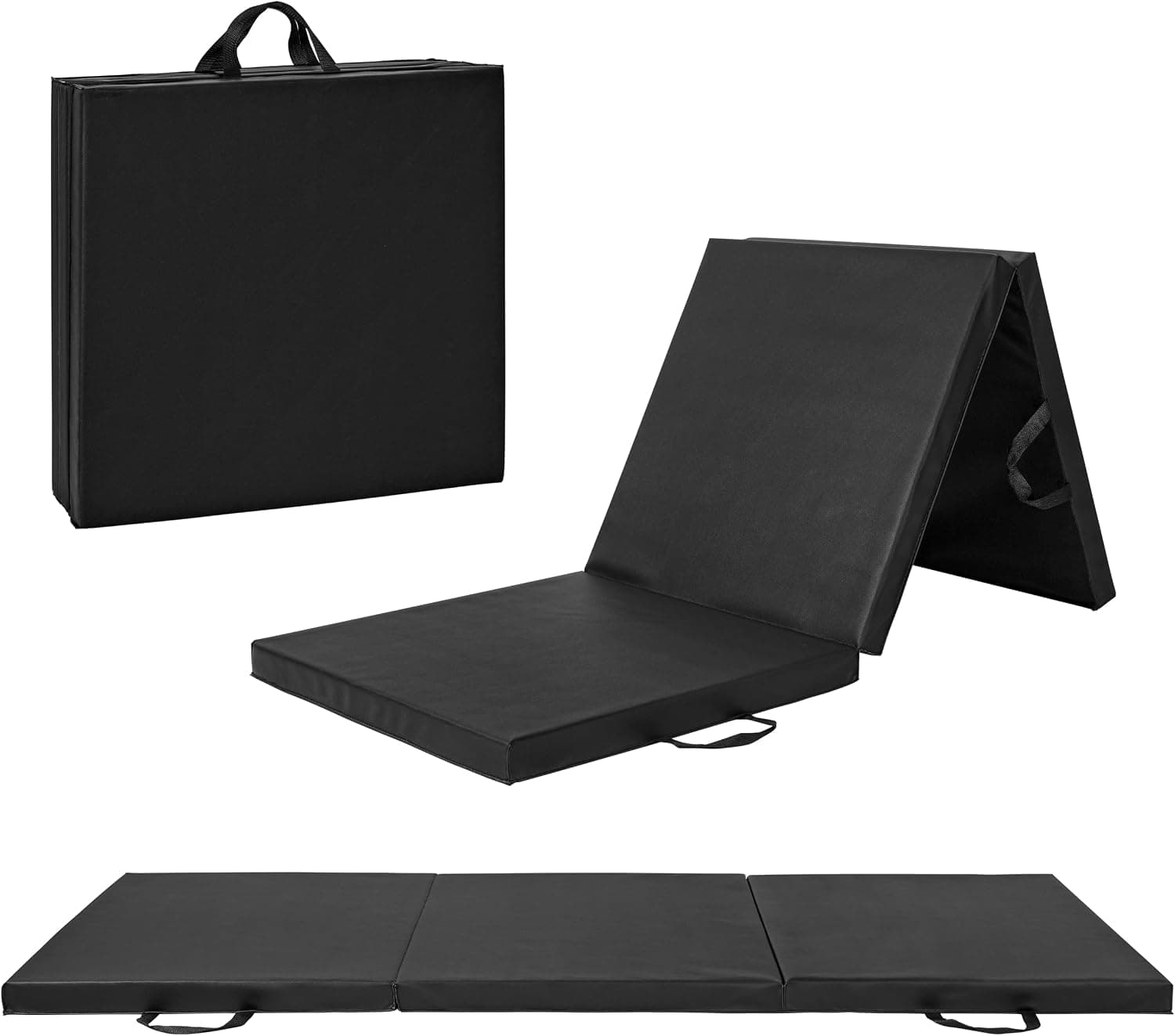
How much space a home gym needs depends entirely on how you train. A bodyweight and band setup fits in a corner, while a bench and cardio machine want a dedicated wall. Knowing the real footprint of each setup helps you plan before you buy. This guide maps common gym styles to the square footage they actually require in a normal apartment.
The Bare Minimum: A Single Mat
The smallest real gym fits on one exercise mat, roughly six feet by two. That is enough for bodyweight training, band work, mobility, and core sessions. Add clearance to extend your arms overhead and to the sides, and you have a complete workout zone in under twenty square feet of floor.
This footprint suits studios and shared rooms where the gym must vanish after use. Roll the mat away and the space returns to normal instantly. Do not underestimate it, since a mat plus bands and bodyweight covers strength, conditioning, and flexibility for anyone not chasing heavy barbell numbers at home.
The Compact Strength Corner
Adding adjustable dumbbells and a foldable bench pushes the footprint to roughly the size of a small rug, around thirty to forty square feet. You need room to lie back on the bench with dumbbells extended and to stand and press with clearance overhead. A corner of a bedroom or living room handles this comfortably.
Storage keeps this setup livable. A folding bench stands upright against a wall, and dumbbells tuck onto a compact stand. When the bench folds and the weights slide into a corner, the active space frees up between sessions, so a strength corner never has to dominate the whole room.
Adding a Cardio Machine
Cardio equipment is the biggest space decision. A folding treadmill or a compact rower needs roughly twenty to thirty square feet in use, though much of that reclaims when folded. Leave clearance behind a treadmill and along a rower so you can mount, dismount, and move freely without hitting furniture.
Foldable and slim designs change the math completely. A walking pad slides under a sofa and a rower stands on end against a wall, so their storage footprint is tiny. Plan for the in-use space during workouts, then enjoy the reclaimed room the rest of the day once everything folds away.
The Full Compact Gym
Combining strength and cardio in one area needs around sixty to eighty square feet, roughly a small spare bedroom or a defined section of a large living room. That fits a bench, adjustable weights, a folding cardio machine, and protective flooring with room to move safely between stations during a session.
This is the ceiling for most apartment gyms, and it delivers a genuinely complete training space. With smart folding gear you can fit surprising capability into this footprint. Beyond this size you gain comfort more than capability, since good compact equipment already covers nearly every kind of workout you would want to do at home.
Do Not Forget Vertical and Clearance Space
Square footage tells only part of the story. Ceiling height determines whether you can press overhead or use a doorway pull-up bar, and clearance around each station keeps you safe. Always add a buffer beyond the equipment itself so you never swing a weight into a wall or trip over a machine mid-set.
Measure up as well as across before committing. A setup that fits the floor plan can still fail if the ceiling is too low for standing presses. Accounting for vertical space and safe clearance upfront prevents the frustrating discovery that your carefully planned gym does not quite work in practice.